Mini implants are smaller-diameter dental implants that may be used in selected cases, often for denture stabilization or narrow spaces. Traditional implants are usually more versatile, have broader use in single-tooth and multi-tooth replacement, and require enough bone and health support for surgical placement.
Implant Comparison Snapshot
The question is not which implant is “better” in general. It is whether your bone, bite, missing-tooth pattern, denture needs, medical history, and long-term maintenance make a smaller implant or a standard implant more appropriate.
How the Two Designs Differ
Dental implants are medical devices placed in the jaw to support artificial teeth. The FDA’s patient information on dental implants explains that an implant system commonly includes an implant body placed in the jawbone and an abutment that supports a crown, bridge, or denture.
Mini implants are narrower than many traditional implants and are often one-piece designs. NCBI Bookshelf’s Dental Mini-Implants chapter describes mini dental implants as one-piece titanium screws with a head that can help stabilize dentures or support fixed applications in selected cases. Traditional implants are often two-piece systems with a separate abutment, though designs vary.
The smaller diameter can be helpful when bone width is limited or when stabilizing a denture is the main goal. It can also be limiting because narrower implants may not be appropriate for every biting force, tooth position, or prosthetic design. A dentist or implant specialist must evaluate bone height, bone width, gum tissue, bite, grinding habits, medical conditions, and cleaning ability.
Practical Differences Patients Notice
| Feature | Mini implants | Traditional implants |
|---|---|---|
| Size | Smaller diameter | Standard or wider diameter options |
| Common uses | Denture stabilization, narrow spaces, selected fixed cases | Single crowns, bridges, full-arch options, broad treatment plans |
| Surgical planning | May be less invasive in selected cases | May require more bone volume or grafting depending on site |
| Prosthetic flexibility | More limited in some situations | Wider range of components and restoration designs |
| Evidence and familiarity | Useful in selected cases, but case selection matters | Longer and broader use across implant dentistry |
| Maintenance | Still requires careful hygiene and checkups | Also requires careful hygiene and checkups |
A mini implant may sound easier, but easier placement is not the same as better long-term fit. A traditional implant may sound more involved, but it may offer stronger restorative options for a molar or bridge. The final recommendation should connect the implant type to the tooth being replaced, the chewing forces in that area, and the restoration that will attach to it.
Candidacy Is More Than Bone Width
Implant planning starts with overall health. The FDA notes that health, healing, smoking, oral hygiene, and regular dental visits matter for implant success and risk. Your dentist may ask about diabetes control, smoking, gum disease, medications, bone conditions, past radiation therapy, immune issues, and grinding or clenching.
Oral cancer history or suspicious mouth lesions should be addressed before elective implant treatment. If there are red or white patches, sores, swelling, or tissue changes, a dentist may evaluate them as part of the same planning pathway described in oral cancer signs your dentist may screen for.
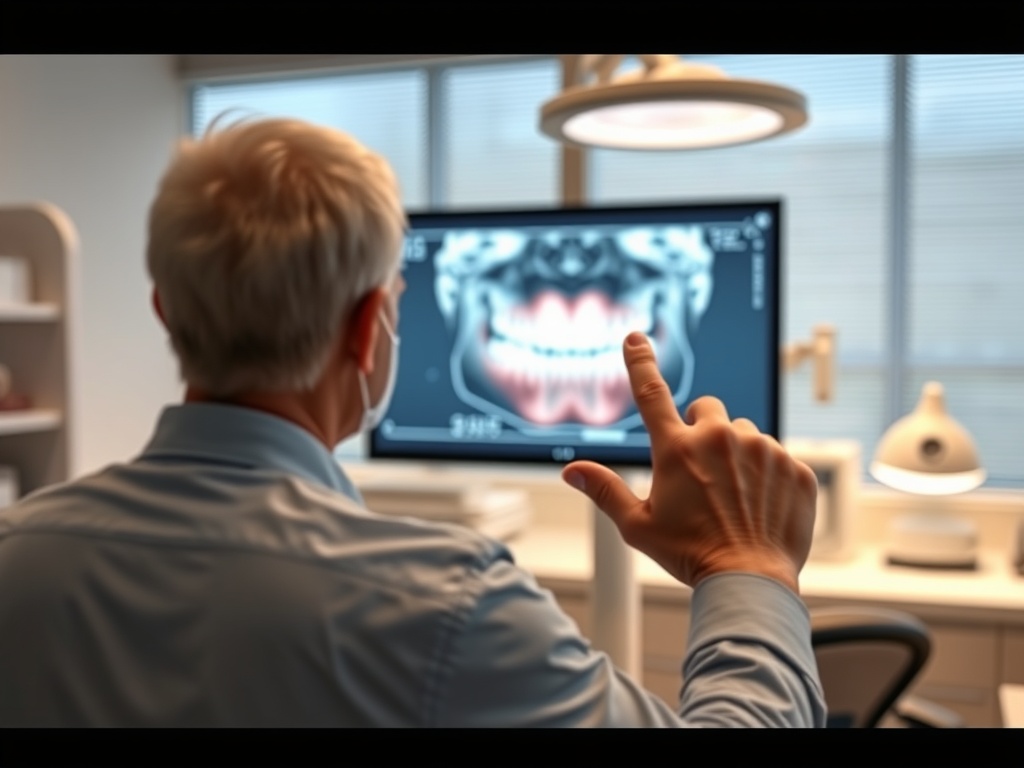
Digital scans, 3D imaging, and guided planning may help with implant placement. Some practices use software tools that overlap with the broader shift toward AI-assisted dental diagnosis, but the clinician still decides whether the plan is safe and appropriate.
Cost, Longevity, and Maintenance Questions
Costs vary widely by region, provider, imaging, grafting, sedation, number of implants, temporary teeth, final restoration, and follow-up care. Do not assume mini implants are always cheaper once the full plan is included. Ask for a written treatment estimate that separates surgery, imaging, provisional teeth, final teeth, maintenance, and possible repairs.
Longevity also depends on case selection and upkeep. Mini implants may work well in carefully chosen denture cases, but they are not automatically interchangeable with traditional implants. Traditional implants can also fail if gum disease, smoking, overload, poor cleaning, or medical factors are not controlled.
Maintenance is not optional. Implants do not get cavities, but the gum and bone around them can become inflamed or infected. Ask what tools you will use to clean under the denture, bridge, or crown, how often maintenance visits are recommended, and what symptoms require a call.
Questions to Bring to the Consultation
Ask these before choosing:
- Is my implant plan for a single tooth, multiple teeth, or denture stability?
- How much bone height and width do I have?
- Why are you recommending mini or traditional implants in this location?
- What are the alternatives, such as a bridge or removable partial denture?
- Will I need bone grafting or gum treatment first?
- What happens if the implant or attachment loosens?
- How will I clean around the final restoration?
- What signs should make me call immediately?
For visible front teeth, implant planning may also overlap with tooth color, gum shape, and smile line. That can make the decision similar to other esthetic planning questions, such as how to choose a cosmetic dentist for veneers, whitening, or a smile makeover.
Bring any denture, partial, night guard, or previous implant records to the visit. Existing appliances show how your bite works and where pressure has been concentrated. Also ask who restores the implant after placement. Surgical placement and final tooth design need to match; a well-placed implant can still create problems if the attached crown, bridge, or denture is hard to clean or overloaded. Ask to see the maintenance plan before treatment starts, because daily cleaning access is part of the design, not an afterthought. A plan that looks strong on an X-ray still has to work in a real mouth every day. Your ability to clean around the restoration is one of the main differences between a treatment that feels manageable and one that becomes a maintenance burden.
Bring These Questions to an Implant Consultation
Mini implants can be useful, but they are not a shortcut around diagnosis. Traditional implants are versatile, but they may require more preparation. The safest choice comes from a complete exam, imaging, medical review, bite analysis, and a clear explanation of how the final tooth or denture will work.