
A conference agenda should translate event goals into a timed learning, networking, and movement plan. The strongest agendas balance content depth, audience energy, speaker readiness, transition time, accessibility, and sponsor or stakeholder obligations without overcrowding the day.
Quick Takeaways
- Start with attendee outcomes before choosing session formats.
- Build agenda blocks around attention, movement, meals, and networking rather than content volume alone.
- Confirm owners for speakers, rooms, timing, accessibility, and live changes.
What Should a Conference Agenda Decide First?
The first agenda decision is not the keynote slot. It is the attendee promise. A beginner-friendly agenda should answer what people will learn, who they will meet, and what action they can take after the event. Once that promise is clear, the team can decide which sessions need a main stage, which ideas work better as workshops, and where networking or breaks belong.
How Long Should Sessions Be?
There is no universal session length that works for every conference. A technical training may need a longer block, while a leadership panel may be stronger with a shorter format and clear moderation. As a general planning practice, session length should reflect topic complexity, audience familiarity, speaker style, and room movement time. The goal is not to fill every minute; it is to protect attention and reduce friction.
For supporting context, planners can compare their assumptions with W3C Web Accessibility Initiative forms tutorial, especially when the topic affects public communication, accessibility, safety, or search visibility.
Who Should Be Involved in Agenda Decisions?
Agenda planning usually needs input from programming, operations, marketing, sponsorship, accessibility, speaker management, and registration. Programming protects educational value, while operations checks whether the schedule can actually be delivered. A useful conference agenda also connects to the event brief, because goals and KPIs should shape which topics deserve prime placement.
Within the same planning system, a related internal guide on guest logistics mistakes that lead to confused guests can help teams connect this topic with the next operational decision instead of treating it as a standalone task.
Conference Agenda Review Grid
| Agenda Question | Beginner-Friendly Answer | Planning Risk If Ignored |
|---|---|---|
| How many tracks? | Use only as many tracks as the audience can understand quickly. | Attendees feel split or miss the most relevant sessions. |
| When should networking happen? | Place networking where people have context and energy. | Networking becomes awkward or underused. |
| How much detail to publish? | Publish confirmed basics and mark tentative items honestly. | Attendees rely on details that later change. |
| Who manages changes? | Assign one agenda owner and one backup. | Conflicting versions spread across teams. |
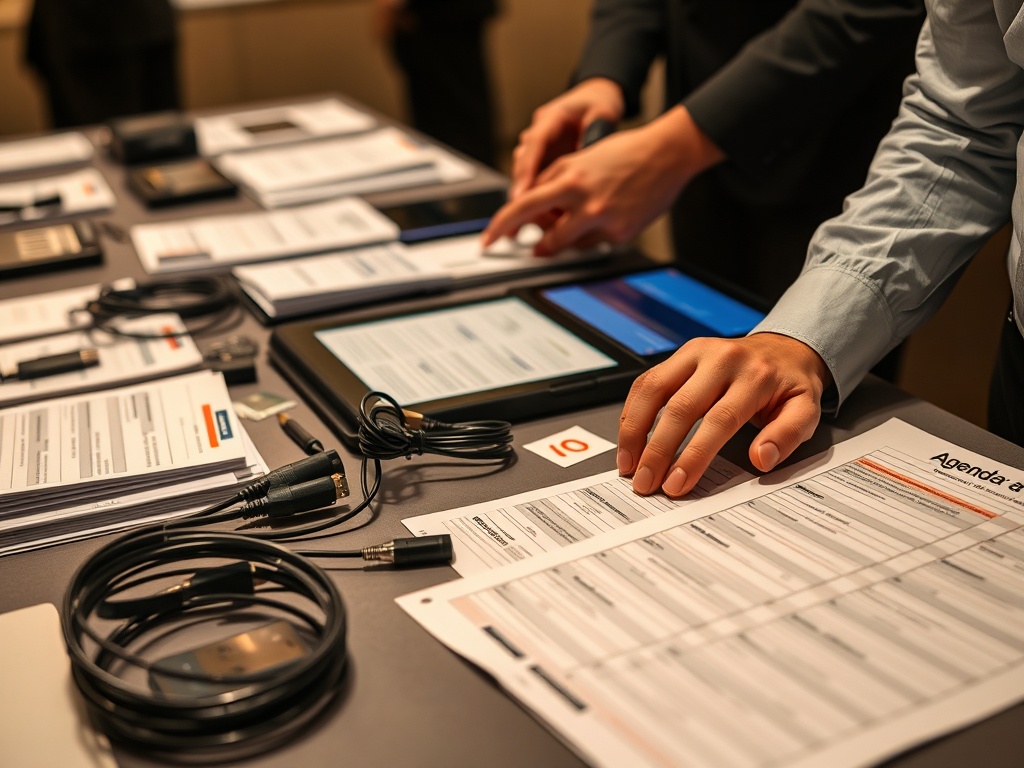
How Do Breaks and Transitions Affect the Experience?
Breaks are not leftover space. They support networking, sponsor traffic, restroom access, accessibility needs, meal service, and room resets. When transitions are too tight, attendees miss sessions, staff rush, and speakers lose setup time. The W3C accessibility guidance for forms and digital interactions is a helpful reminder that attendee-facing systems should be clear and forgiving, and the same principle applies to agenda movement.
What Should Be Final Before Publishing?
Before publishing, confirm session titles, room names, speaker permissions, meal timing, accessibility notes, check-in hours, sponsor obligations, and any content that may change. If some items are tentative, label them clearly. Published agendas should avoid implying guaranteed access to every activity when capacity, ticket tier, or room size may limit entry.
Teams that need a broader view can also review event brief checklist: what to review before vendors start quoting before finalizing roles, timing, or attendee-facing language.
Conference Agenda Questions Teams Ask Early
What should be decided before the agenda is shared?
Confirm the goal, audience, format, major timing blocks, room assumptions, and any access limits before public sharing.
Can the agenda change after publication?
Yes, schedules are subject to change. The page and attendee messages should make that clear without creating uncertainty.
How much detail is enough?
Enough detail to help attendees decide and prepare, but not so much that tentative items sound guaranteed.
Conference Agenda Review Rhythm and Ownership
Use a two-layer review for agenda planning. The first layer reviews content value: does each session help the attendee reach the stated promise? The second layer reviews operations: can people move, eat, ask questions, rest, and find the right room without friction? Both layers matter because a strong topic can still fail when the room, timing, or transition plan is weak.
Assign one agenda owner who controls the published version, then assign supporting owners for speakers, rooms, sponsors, accessibility, and attendee communications. This keeps changes from spreading through old files, copied spreadsheets, or private message threads. Whenever a session changes, the owner should know which public pages, emails, speaker briefs, signage, and staff notes need updates.
Conference Agenda Metrics That Keep the Review Honest
Useful metrics should connect to the decision the article topic supports. Track the few signals that reveal clarity, readiness, friction, and follow-through. Avoid vanity metrics that make the event look busy but do not help the team improve the next planning choice.
The review should also include qualitative notes. Staff observations, attendee questions, vendor warnings, and sponsor comments can reveal issues before the numbers do. Treat these notes as signals to investigate, not as proof on their own. Strong event teams combine data with judgment, then document the next change clearly.
Conference Agenda Handoff Notes for the Next Owner
Document the current status in one place before the work moves to another owner. Include confirmed facts, open assumptions, pending approvals, known risks, source links, and the next decision date. This handoff note should be short enough that a busy teammate will read it, yet specific enough that they do not need to search through message threads to understand what changed.
A strong handoff also protects continuity when staff, vendors, or stakeholders change. It tells the next owner what has already been decided, what should not be reopened without a reason, and where flexibility still exists. That discipline keeps the event moving without creating extra meetings or quiet rework behind the scenes.
Finally, keep a dated version history. Event planning changes quickly, and a simple record of what changed, who approved it, and why can prevent confusion when schedules, budgets, vendor scope, or attendee instructions are reviewed later. Store it beside the working brief or playbook so future planners can learn from the decision trail instead of rebuilding context from scratch later.
Conference Agenda Quality Questions Before Moving Forward
Before the FAQ or agenda guidance is shared, ask whether the answers reduce uncertainty for a first-time planner. Each answer should explain what to decide, who should be involved, and what can remain flexible. If the answer depends on event size, ticket type, venue rules, or audience needs, say so instead of presenting one rule as universal.
Also check the language used in attendee-facing or partner-facing materials. Avoid guarantees when access, schedules, capacity, weather, ticket tiers, or organizer decisions may change. Use clear and measured wording such as subject to availability, based on currently available information, schedules are subject to change, or access may vary by ticket type when those conditions apply.
Conference Agenda Verification Reminder
This events content is for informational and educational purposes only. It is not legal, financial, travel, immigration, safety, medical, insurance, or contractual advice. Event details, access rules, schedules, policies, and availability can change, so readers should verify important decisions directly with official organizers, venues, vendors, ticketing providers, and qualified professionals where appropriate.
A Smarter Way to Finalize the Run of Show
Draft the agenda as a promise to attendees first, then test every block against room flow, speaker readiness, and realistic transition time.
For a related planning angle, ticket-led vs. sponsor-led event revenue models gives teams another way to pressure-test the same event system from a different operational viewpoint.