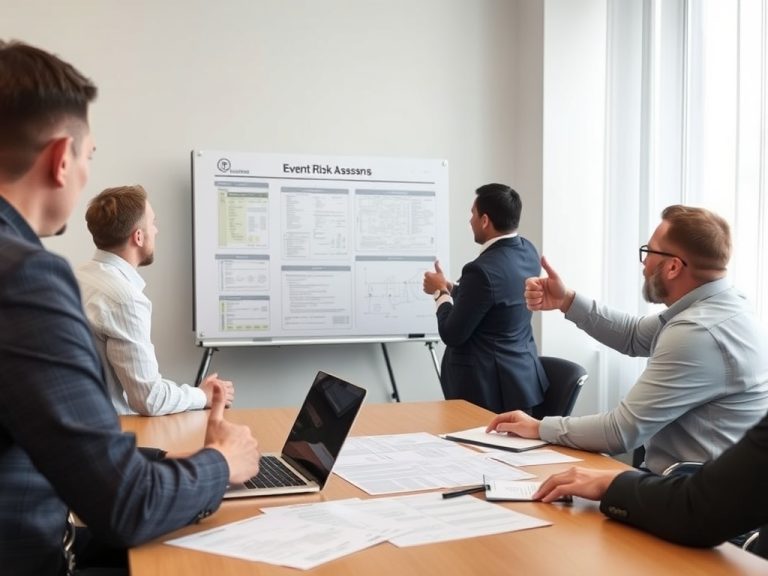
A nonprofit event drives giving when the mission, audience, donor journey, program flow, stewardship plan, and giving mechanism all support one clear action. The event does not need extra complexity; it needs a focused reason to attend, a credible reason to give, and a respectful follow-up plan.
Quick Takeaways
- Design the giving moment around mission clarity, not pressure.
- Match the format to donor readiness, community context, and operational capacity.
- Plan stewardship before outreach so supporters know what their gift helped make possible.
Begin With the Giving Objective
Start by deciding what kind of giving the event should encourage. It may be first-time gifts, recurring donors, major-gift conversations, sponsorship support, peer-to-peer fundraising, or volunteer-to-donor movement. Each objective needs a different event design. A casual community gathering should not copy the structure of a gala if the audience, budget, and donor relationship are different.
Choose a Format That Fits the Audience
Nonprofit event ideas can include breakfasts, donor briefings, house gatherings, community festivals, auctions, volunteer celebrations, virtual panels, or mission tours. The right format is the one that helps supporters understand the need and feel connected to the impact. Avoid adding activities only because other organizations use them. Complexity can distract from giving when the program has no clear emotional or practical path.
For supporting context, planners can compare their assumptions with Association of Fundraising Professionals fundraising strategy resources, especially when the topic affects public communication, accessibility, safety, or search visibility.
Build the Donor Journey Into the Program
A giving-focused program should explain the need, show credible impact, invite participation, and make next steps easy. Use a concise story arc: why the work matters, what support makes possible, how people can help, and what happens after the event. AFP’s fundraising strategy resources emphasize adaptable fundraising approaches, which is useful for nonprofits that must match event design to mission, donor base, and organizational capacity.
Within the same planning system, a related internal guide on event brief checklist: what to review before vendors start quoting can help teams connect this topic with the next operational decision instead of treating it as a standalone task.
Nonprofit Giving Event Review Grid
| Design Step | Key Question | Complexity to Avoid |
|---|---|---|
| Giving objective | What specific giving behavior should this event support? | Trying to serve every donor segment at once. |
| Audience fit | What format feels natural to this community? | Copying a gala, auction, or festival without capacity. |
| Mission story | What impact can supporters understand quickly? | Long programs with no clear giving reason. |
| Giving path | How will people act in the room or after? | Multiple confusing donation instructions. |
| Stewardship | How will supporters be thanked and updated? | Treating follow-up as an afterthought. |

Make the Giving Mechanism Simple
The giving action should be clear and accessible. That may mean a donation page, pledge card, QR code, text-to-give option, sponsor table, or follow-up meeting request. Test it before donor outreach begins. Make sure payment paths, receipts, privacy language, and accessibility needs are covered. Do not imply that every attendee is expected to give the same amount or in the same way.
Close the Loop After the Event
The event is not the end of the donor journey. Plan thank-you messages, impact updates, sponsor acknowledgments, volunteer notes, and internal debriefs before invitations go out. A nonprofit team can also connect the post-event review to a debrief playbook, so lessons from donor response, attendance, and giving activity improve the next campaign.
Teams that need a broader view can also review beginner’s guide to debriefs, playbooks, and continuous improvement for better event decisions before finalizing roles, timing, or attendee-facing language.
Nonprofit Giving Event Working Sequence
- Define the objective and audience.
- Choose the format that fits capacity.
- Map the attendee or supporter journey.
- Test the action path before outreach.
- Plan follow-up before the event happens.
Nonprofit Giving Event Review Rhythm and Ownership
A nonprofit event benefits from a clear planning rhythm: mission objective, donor segment, format, giving path, stewardship plan, and debrief. Each stage should be small enough to review without slowing the campaign. The team should know which decision comes next and which decisions are not worth debating until the giving objective is clear.
Ownership should include development, communications, operations, finance, and volunteer coordination. Development protects donor relationships, communications protects the story, operations protects delivery, finance protects gift processing, and volunteer coordination protects the support experience. When these roles collaborate early, the event can feel warm and organized without adding unnecessary layers.
Nonprofit Giving Event Metrics That Keep the Review Honest
For nonprofit events, useful metrics include registrations, attendance, giving participation, average gift, recurring-gift interest, sponsor support, volunteer participation, donor follow-up completion, and mission-story engagement. The numbers should be interpreted with context because donor relationships often develop over more than one event.
The review should also include qualitative notes. Staff observations, attendee questions, vendor warnings, and sponsor comments can reveal issues before the numbers do. Treat these notes as signals to investigate, not as proof on their own. Strong event teams combine data with judgment, then document the next change clearly.
Nonprofit Giving Event Handoff Notes for the Next Owner
Document the current status in one place before the work moves to another owner. Include confirmed facts, open assumptions, pending approvals, known risks, source links, and the next decision date. This handoff note should be short enough that a busy teammate will read it, yet specific enough that they do not need to search through message threads to understand what changed.
A strong handoff also protects continuity when staff, vendors, or stakeholders change. It tells the next owner what has already been decided, what should not be reopened without a reason, and where flexibility still exists. That discipline keeps the event moving without creating extra meetings or quiet rework behind the scenes.
Finally, keep a dated version history. Event planning changes quickly, and a simple record of what changed, who approved it, and why can prevent confusion when schedules, budgets, vendor scope, or attendee instructions are reviewed later. Store it beside the working brief or playbook so future planners can learn from the decision trail instead of rebuilding context from scratch later.
Nonprofit Giving Event Quality Questions Before Moving Forward
Before finishing the how-to process, ask whether each step has an owner, input, output, and review moment. A step-by-step guide should prevent drift. If a step does not create a decision, document, test, or useful conversation, it may be a distraction rather than a practical part of the process.
Also check the language used in attendee-facing or partner-facing materials. Avoid guarantees when access, schedules, capacity, weather, ticket tiers, or organizer decisions may change. Use clear and measured wording such as subject to availability, based on currently available information, schedules are subject to change, or access may vary by ticket type when those conditions apply.
Nonprofit Giving Event Verification Reminder
This events content is for informational and educational purposes only. It is not legal, financial, travel, immigration, safety, medical, insurance, or contractual advice. Event details, access rules, schedules, policies, and availability can change, so readers should verify important decisions directly with official organizers, venues, vendors, ticketing providers, and qualified professionals where appropriate.
Design the Event Around the Supporter’s Next Yes
Map the donor journey before choosing décor, entertainment, or activities, then keep every program choice tied to mission understanding and respectful giving.
For a related planning angle, conference agenda faq: answers event teams need before they move forward gives teams another way to pressure-test the same event system from a different operational viewpoint.