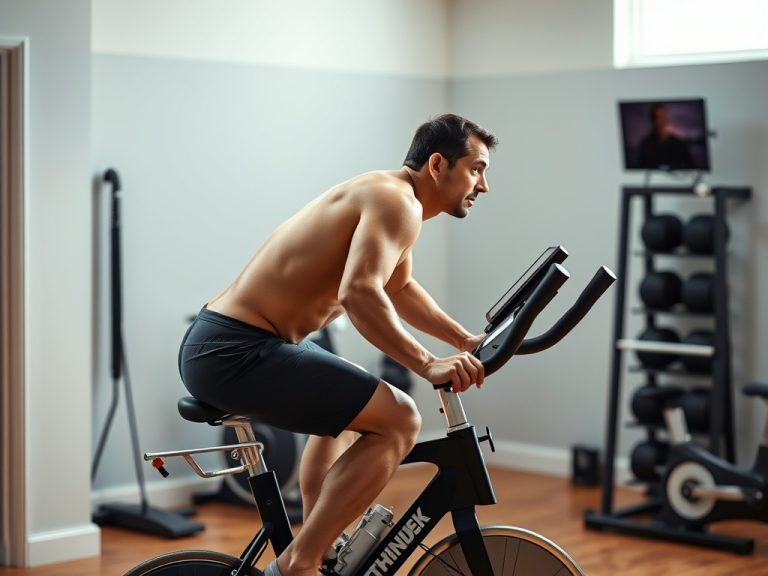
Normal training fatigue improves with rest and usually comes with stable or improving performance over time. Overtraining syndrome involves a prolonged performance decline and broader symptoms that persist despite recovery, and it is diagnosed only after other medical and psychological causes are considered.
Fatigue screening rule
Look for patterns across performance, mood, sleep, soreness, illness, and recovery. One bad workout or one low wearable score is not enough to label overtraining.
Use the right terms before judging the problem
Exercise creates fatigue by design. Functional overreaching is a short period of increased load that temporarily lowers performance, followed by recovery and possible improvement. Nonfunctional overreaching lasts longer and does not produce the intended benefit. Overtraining syndrome is the severe end of the continuum and can take a prolonged period to resolve.
The joint European College of Sport Science and American College of Sports Medicine consensus statement emphasizes the balance between overload and recovery and describes overtraining syndrome as a diagnosis that requires exclusion of other causes. This is why a checklist cannot provide a definitive diagnosis.
Compare the pattern, not one symptom
| Feature | Normal fatigue | Possible nonfunctional overreaching or overtraining |
|---|---|---|
| Duration | Hours to a few days | Persistent for weeks or longer |
| Performance | Stable or briefly reduced | Clear decline across repeated sessions |
| Mood | Temporary reluctance or irritability | Persistent low mood, irritability, or loss of drive |
| Sleep | Usually normal or one disrupted night | Repeated difficulty sleeping or unrefreshing sleep |
| Soreness | Expected and improving | Persistent, widespread, or repeatedly worsening |
| Response to rest | Improves with easy days | Little improvement after a meaningful reduction |
Signals worth recording
No single marker is reliable enough on its own. A useful log combines objective and subjective information. Record the session, perceived effort, performance, soreness, sleep quality, mood, illness symptoms, and major life stress. Trends are more informative than daily fluctuations.
- The same pace or load requires noticeably more effort for several sessions.
- Warm-ups feel unusually heavy and do not improve as the session continues.
- Sleep, appetite, or mood changes persist beyond an isolated stressful day.
- Minor illnesses recur or you struggle to complete normal work and daily tasks.
- Pain changes movement or becomes sharper rather than behaving like normal soreness.
When leg fatigue is the main issue, heart training with less leg stress can help you maintain easy aerobic activity while reducing impact and local muscular demand.

Why life stress counts as training load
The International Olympic Committee consensus on load and illness includes psychological load, travel, and competition congestion in the broader recovery picture. Work deadlines, caregiving, poor sleep, emotional strain, and frequent travel can reduce the capacity available for exercise even when the written program has not changed.
This does not mean stress must be eliminated before training. It means the training dose should respond to the total situation. During demanding weeks, keep frequency if routine helps, but reduce sets, high-intensity intervals, or exercise complexity.
Rule out common look-alikes
Persistent fatigue and reduced performance can also come from infection, iron deficiency, low energy availability, thyroid disorders, sleep apnea, medication effects, depression, anxiety, or other conditions. Athletes should not assume every symptom is overtraining, especially when fatigue is severe, unexplained, or accompanied by weight change, fainting, shortness of breath, fever, or menstrual disruption.
What to do when the pattern is concerning
1. Stop testing fitness and remove high-intensity work for several days.
2. Reduce total volume while keeping gentle movement only if it feels restorative.
3. Prioritize regular meals, hydration, and sleep opportunity.
4. Review recent changes in training, work, travel, illness, and diet.
5. Seek medical or sports-medicine assessment when symptoms are prolonged, severe, or not improving.
A rest day is not a diagnostic test. Mild accumulated fatigue may improve quickly; more serious problems may not. Avoid repeatedly returning to hard training for one “test session” and then withdrawing again after symptoms recur.
Prevent the cycle with planned easier weeks
A program should contain variation. Hard sessions need easy sessions, and loading phases need periods of reduced volume. Beginners often need less formal periodization but more restraint: do not add sets, intensity, frequency, and conditioning at the same time.
When restarting after inactivity, follow the gradual approach in How to Restart a Fitness Routine After a Long Break rather than using motivation to compress months of adaptation into a few weeks.
Wearables: useful context, weak diagnosis
Resting heart rate, heart-rate variability, sleep scores, and training-load estimates can support pattern recognition. They are affected by device quality, hydration, alcohol, illness, menstrual cycle, travel, and measurement conditions. A single red score should not dictate training, and a green score should not override symptoms.
Mixed-session structure can also hide excess load. Review whether to train strength and cardio on the same day and count both components when evaluating why performance or recovery has changed.
A seven-day deload experiment
When symptoms are mild but persistent, a short deload can provide useful information. Keep normal daily movement, reduce strength-training sets by roughly one-third to one-half, remove failure work, and replace hard intervals with easy activity. Maintain familiar meals and a consistent sleep opportunity so several variables are not changing at once.
At the end of the week, repeat only a submaximal benchmark, such as a familiar set with several repetitions in reserve or an easy route at controlled effort. Improvement supports the idea that accumulated fatigue was contributing. No improvement does not prove overtraining; it means the cause may require more time or medical evaluation.
Avoid using a deload to catch up on missed high-intensity sessions. The point is to lower the total stress signal and observe recovery. If symptoms worsen during reduced training, or daily functioning remains impaired, professional assessment becomes more important.
Communication matters in coached programs
Athletes often underreport fatigue because they fear losing a place, disappointing a coach, or appearing uncommitted. Share changes in sleep, mood, soreness, illness, and performance early. A coach can adjust volume only when the information is visible, and a clinician needs an accurate timeline to rule out other causes.
Training partners and family members may notice changes before the athlete does, including unusual irritability, withdrawal, repeated exhaustion, or a loss of interest in normally valued activities. Their observations are not diagnoses, but they can provide useful context when the athlete has normalized feeling unwell or is minimizing symptoms to protect a training plan. A clear outside observation can justify pausing sooner.
The recovery decision
If performance is stable and symptoms improve within a few days, resume gradually. If several domains remain disrupted, extend the reduction and obtain qualified assessment. The goal is not to earn the label “overtrained”; it is to identify why recovery is failing and correct the cause before the decline becomes deeper.