Reading faster is useful only when comprehension, retention, and judgment remain strong enough for the task. The point is not to hit a heroic words-per-minute number; it is to choose the right pace for the material and your reason for reading.
A practical reading-speed reset
Research on speed-reading repeatedly warns that speed and understanding can trade off when readers push beyond what the text allows. A Psychological Science in the Public Interest review on speed reading notes that there is a trade-off between speed and accuracy, while the International Literacy Association describes comprehension as connecting decoded text with knowledge and experience. That means the best pace depends on difficulty, familiarity, and purpose.
Myth one: Fast readers are always better readers
Fast reading can signal fluency, especially with familiar material. It can also signal skimming. A reader who moves quickly through a simple news brief may be doing exactly the right thing. The same pace applied to a dense essay, legal document, poem, or technical chapter may produce shallow understanding.
The downside of this myth is status pressure. People start treating reading like a performance metric. They finish more pages but remember less, question less, and enjoy less. A better measure is fit: did the pace match the job?
Myth two: Every book deserves the same pace
Different texts ask for different rhythms. A mystery novel may pull you forward. A philosophical essay may require pauses. A graphic novel may ask you to hold words and images together. A poem may need rereading aloud. A practical manual may be skimmed first and studied later.
Readers who assume one ideal pace exists often misread visual and literary forms. That is one reason the myth that graphic novels are only light reading is so limiting. Some pages are fast because the sequence is clear. Others slow you down through panel layout, silence, symbolism, or visual irony.
| Reading situation | Best pace | What to watch for |
|---|---|---|
| Familiar news or updates | Faster scan | Main claim, date, source, relevance |
| Dense nonfiction | Moderate with pauses | Argument structure and evidence |
| Literary fiction | Flexible | Voice, pattern, ambiguity, emotional turn |
| Graphic storytelling | Visual-text rhythm | Panel order, gutters, facial expression, page design |
| Study material | Slower and repeated | Recall, notes, questions, examples |
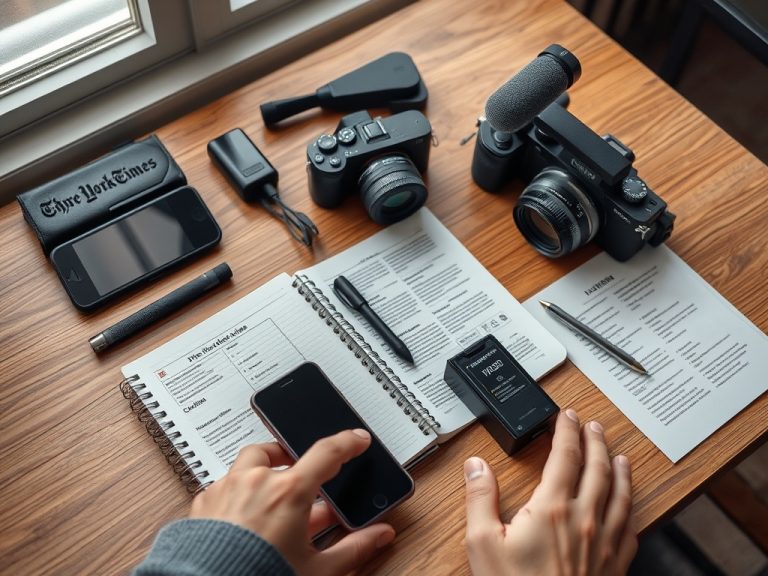
Image Placeholder 1: Reader annotating a page
Myth three: Subvocalizing is always bad
Many speed-reading systems tell readers to suppress the inner voice. That can help some people move faster through simple material, but language is tied to sound, rhythm, syntax, and memory. For complex sentences, unfamiliar names, poetry, dialogue, or persuasive argument, hearing the line internally can support understanding.
The useful question is not "How do I eliminate subvocalizing?" It is "When does my inner voice help, and when does it slow a task that only needs scanning?" Skilled readers adjust.
Myth four: Skimming means you are cheating
Skimming is a legitimate strategy when the goal is selection, preview, or triage. You might skim a table of contents, abstract, introduction, headings, and conclusion to decide whether a source deserves deeper reading. That is not lazy. It is resource management.
Skimming becomes a problem when it pretends to be close reading. If you need to critique an argument, discuss a novel, or apply instructions, you need more than a scan. Mark the difference in your notes: "skimmed for relevance" is not the same as "read closely."
Myth five: Slow reading proves weakness
Slow reading can be a sign of care. It may also reflect difficulty, fatigue, distraction, unfamiliar vocabulary, or a text that is doing something unusual. Readers who shame themselves for slowing down often abandon good material too soon.
Try a diagnostic pause instead. Is the text hard because the topic is new? Because the writing is dense? Because you are tired? Because you are reading without a question? Different causes need different fixes. Background knowledge, a glossary, a break, or a clearer purpose may help more than forcing speed.
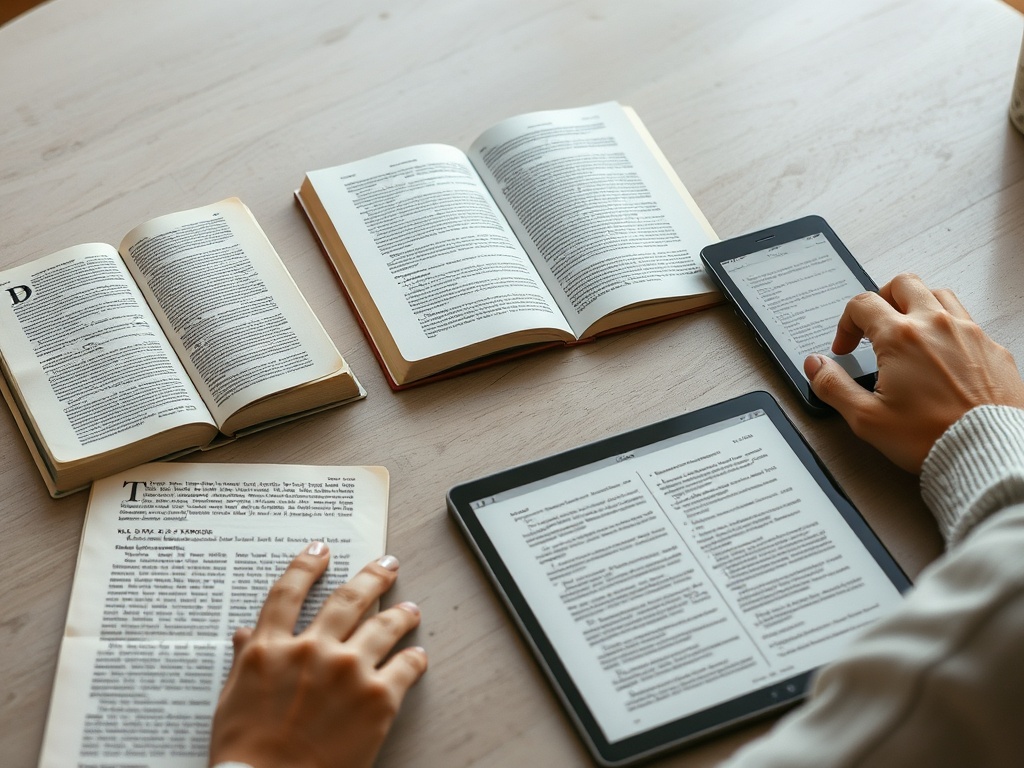
Image Placeholder 2: Quiet reading table with mixed formats
Myth six: Comprehension is automatic if your eyes finish the page
Finishing is not the same as understanding. Comprehension improves when readers predict, question, summarize, connect, and check confusion. This is especially important for cultural criticism and art writing, where claims may mix fact, interpretation, and opinion. Reading quickly without noticing those shifts can create false certainty.
The same habit helps with visual culture. When reading about abstract art myths, pause when a writer moves from a museum fact to a critical interpretation. That pause keeps you from treating one critic's reading as the only possible truth.
Build a pace menu instead of chasing one number
Use four modes. Scan to locate. Skim to judge relevance. Read steadily to understand. Read slowly to analyze, enjoy language, or learn. Before opening a text, choose the mode. After reading, test the result: can you summarize the main point, name supporting evidence, and explain what remains unclear?
Reading speed is a tool, not an identity. The strongest readers are not always the fastest. They are the most adaptable. They know when to move, when to pause, and when a sentence deserves a second look.