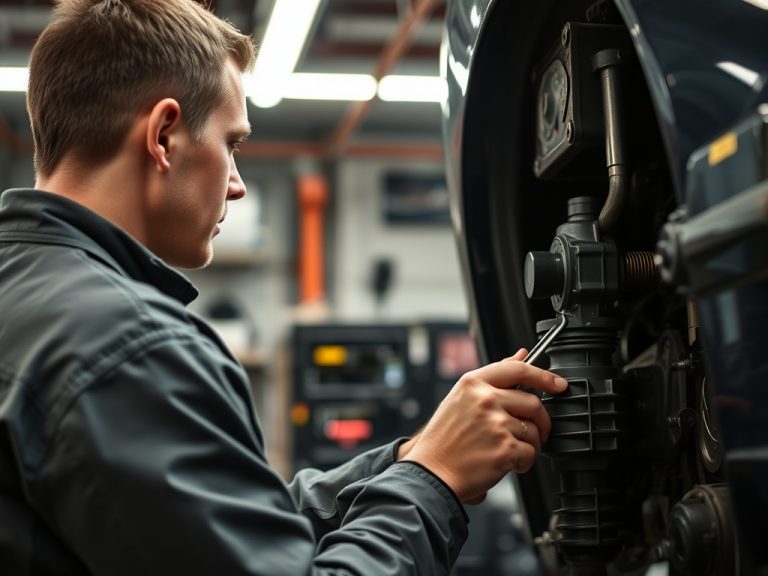
Bump steer and highway wandering can come from tire issues, alignment angles, worn steering parts, suspension geometry changes, loose components, or damage, so the safest answer starts with inspection rather than assumption. The point is not to make the job sound more complicated; it is to make the decision traceable before money changes hands.
TL;DR: Key Takeaways
- Best fit for readers: Beginner drivers comparing repair advice in the suspension, steering & ride quality category.
- Ask what was inspected, what was measured, and what would happen if the work is delayed.
- Treat service recommendations as best-practice guidance unless the shop can connect them to a manufacturer limit, safety defect, code, or failed test.
Two Similar Complaints With Different Clues
Bump steer and highway wandering can feel similar because both make the vehicle move without the driver asking for it. Bump steer usually appears when the suspension travels over a bump and the wheel angle changes because of geometry or loose/worn components. Wandering may feel like the vehicle will not hold a straight line on smooth roads. The difference matters because one complaint may point toward suspension travel and steering geometry, while the other may start with tires, alignment, steering play, or road conditions.
Common Causes Behind Wandering and Bump Steer
Common causes include uneven tire pressure, mismatched tires, worn tie rods, ball joints, control-arm bushings, loose wheel bearings, altered ride height, bent parts, poor alignment, or damage from a pothole or curb strike. Tires are a basic but powerful first check because they are the only contact between the vehicle and the road. NHTSA's tire safety material covers maintenance and tire-related awareness for drivers: NHTSA tire safety guidance.
| Symptom | Possible direction | What helps the diagnosis |
|---|---|---|
| Vehicle darts after bumps | Suspension geometry, worn joints, modified ride height, loose parts | Road-test notes and lift inspection. |
| Vehicle drifts on smooth highway | Alignment, tire pressure, tire wear, steering play, road crown | Tire inspection and alignment readings. |
| Steering feels loose | Tie rods, ball joints, bushings, rack, wheel bearings | Physical play check and component inspection. |
| Issue began after repair | Incorrect parts, ride height change, torque issue, alignment change | Repair history and before/after symptoms. |
What a Shop Should Rule Out First
A shop should rule out tire pressure, tire condition, wheel damage, obvious looseness, and alignment readings before blaming one expensive part. If the vehicle was recently lifted, lowered, repaired after a collision, or fitted with different wheels and tires, that history matters. The same evidence standard used in {L['rotor']} applies here: a recommendation should connect to measurements, movement found during inspection, or a road-test observation.

Cost Drivers and Urgency Signals
Urgency increases when the steering wheel shakes violently, the vehicle pulls suddenly, tires show rapid edge wear, a clunk is heard over bumps, the steering wheel is off-center after an impact, or the vehicle feels unsafe at highway speed. Cost drivers include diagnostic time, alignment requirements, parts access, corrosion, damaged fasteners, tire replacement, and whether multiple worn components are found together. The FTC suggests asking questions and understanding charges before authorizing repairs, which is especially useful when steering and suspension estimates involve several parts: Federal Trade Commission auto repair basics.
How to Describe the Problem Clearly
Describe the problem clearly: speed, road surface, braking or acceleration, wind, cargo load, recent tire work, pothole impact, and whether the steering wheel moves by itself. Do not approve an alignment alone if the shop has not checked for loose or damaged parts. Alignment can correct angles, but it cannot tighten a worn joint. If the issue shows up before a vacation, combine this diagnosis with a {L['road']} so steering, tires, brakes, and cooling are reviewed together.
Describing Steering Symptoms Without Guessing Parts
A steering or suspension complaint works best when the driver turns a vague concern into a specific service question. Instead of asking for the cheapest option, ask what was observed, what was measured, and what risk changes if the work waits. That framing keeps the conversation practical. It also makes room for normal professional judgment without letting opinion replace evidence. A shop may prefer a certain method or parts line, but the driver should still understand why that choice fits the vehicle, the symptom, and the expected result.
Red flags are not always dramatic. A missing measurement, a recommendation that changes when you ask one question, a refusal to explain parts quality, or an estimate that hides labor and supplies can all signal that the decision needs more clarity. The right response is not automatically to reject the shop. It is to slow the process down, ask for the missing detail, and decide whether the answer feels consistent with the vehicle condition and the written estimate.
After the work or inspection, keep a simple record. Save the estimate, the invoice, photos, test results, and any notes about what improved. Then monitor the original symptom under the same conditions. If the problem returns, those details help the next conversation start from evidence rather than memory. This is especially useful when more than one system could be involved or when several maintenance items were performed close together.
Why Alignment Alone May Not Solve the Problem
Alignment adjusts angles, but it does not repair a loose joint, weak bushing, bent component, damaged tire, or altered suspension geometry. If the vehicle wanders because a component moves under load, the alignment printout may look acceptable while the vehicle still feels unstable. That is why a physical inspection should come before or alongside alignment measurements.
If the problem started after tire replacement, suspension work, a pothole hit, or a change in ride height, say so. That history can save diagnostic time and prevent the shop from chasing unrelated parts.
How Tire and Suspension Clues Work Together
One more useful habit is to separate immediate safety decisions from longer-term ownership decisions. Immediate decisions answer whether the vehicle should be driven today, repaired before the next trip, or parked until inspected. Longer-term decisions answer whether the repair fits the vehicle's age, value, usage, and future plans. This separation prevents one estimate from feeling like an all-or-nothing judgment. A driver may approve a safety repair now, monitor a comfort issue, and schedule preventive work later when timing and budget make more sense.
When comparing shops, do not compare the final total alone. Compare the explanation, inspection depth, part quality, warranty language, diagnostic method, and willingness to document findings. Two estimates can look different because one includes hardware, testing, programming, fluid, cleanup, or verification that the other omitted. A cheaper estimate is helpful only if it solves the same problem to the same standard. A more expensive estimate is reasonable only when the added value is clear enough for the driver to understand.
Finally, keep the language precise when you talk with the shop. Say what you felt, heard, smelled, saw, or measured, and avoid naming a part unless it has already been tested. Clear symptom language helps the advisor write a better repair order and helps the technician reproduce the concern. It also protects you from approving a repair based on a guess you accidentally introduced into the conversation.
Practical Wrap-Up for What Causes Bump Steer and Wandering o
Describe when the vehicle moves, what road surface triggers it, and whether tires or suspension work happened recently before asking for an inspection.