Foods can support sleep and exercise recovery by helping you meet energy, protein, carbohydrate, micronutrient, and hydration needs, but no single food reliably “knocks you out” or repairs training damage overnight. The strongest approach is a balanced dietary pattern, appropriate meal timing, and sleep habits that reduce avoidable disruption.
Food-and-sleep takeaway
Prioritize regular meals built around minimally processed foods, include protein and carbohydrate after demanding training, avoid large late meals when they disturb sleep, and treat supplements as a separate decision rather than a shortcut.
Start with the whole dietary pattern
A systematic review on diet and sleep quality found associations between healthier dietary patterns and better sleep, while also warning that much of the evidence was observational and could not prove cause and effect. That is the right level of confidence: food choices may support sleep, but sleep is also shaped by schedule, stress, light exposure, health conditions, alcohol, caffeine, and the sleeping environment.
For recovery, the same pattern should provide enough total energy. Consistently under-eating can increase hunger, impair training quality, and make recovery feel slow. Overly restrictive “clean eating” can look disciplined while leaving the body short of carbohydrate, protein, fats, or micronutrients.
Foods that cover the main recovery jobs
| Recovery job | Useful food categories | Why they help | Practical example |
|---|---|---|---|
| Muscle repair | Dairy, eggs, fish, poultry, soy, beans, lentils | Provide protein and essential amino acids | Yogurt with fruit or lentils with rice |
| Glycogen restoration | Oats, rice, potatoes, fruit, whole-grain bread | Supply carbohydrate after training | Oats and milk after an evening session |
| Micronutrient coverage | Vegetables, fruit, nuts, seeds, legumes | Support overall dietary adequacy | Colorful vegetables plus beans and seeds |
| Hydration | Water, milk, soups, fruit | Replace fluid; some choices add electrolytes | Water with a meal and fruit afterward |
Protein: distribute it rather than save it all for dinner
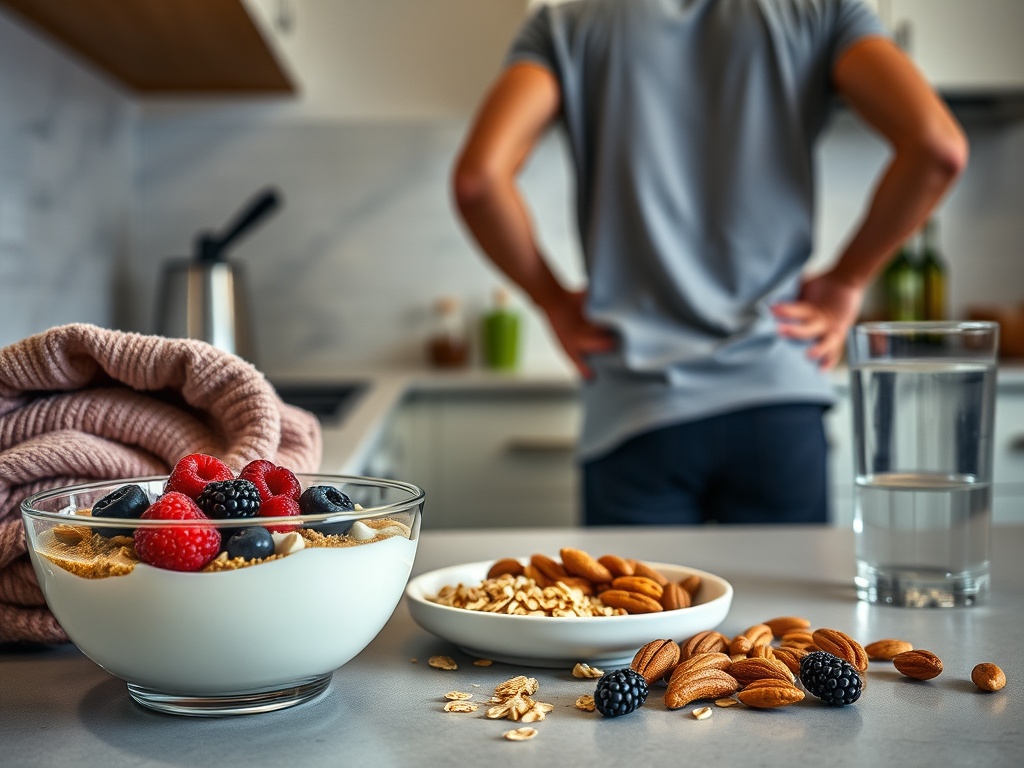
Regular servings of high-quality protein across the day are more practical than relying on one very large serving. After training, choose a normal meal or snack that you tolerate well: yogurt and fruit, eggs on toast, tofu with rice, milk and oats, or beans with a grain. The exact food matters less than meeting your overall needs consistently.
A bedtime protein snack may suit some athletes with high energy needs, but it is not mandatory. If eating close to bed causes reflux, fullness, or heat, move the meal earlier and use a smaller snack only when hungry.
Carbohydrate: useful fuel, not a sleep guarantee
Carbohydrate supports training and replenishes stored glycogen, especially after long endurance work or high-volume strength sessions. Whole grains, fruit, potatoes, rice, and legumes can fit an evening meal. Claims that one specific carbohydrate automatically improves sleep are stronger than the evidence supports, and individual responses vary.
On days that combine lifting and aerobic work, the advice in training strength and cardio on the same day can help you decide when a larger recovery meal is warranted.
Micronutrient-rich foods without supplement hype
Magnesium, iron, vitamin D, calcium, zinc, and other nutrients matter for health and performance, but a food containing a nutrient is not the same as a treatment for a deficiency or sleep disorder. Nuts, seeds, leafy greens, legumes, dairy or fortified alternatives, fish, eggs, and varied produce help cover needs. Testing and professional guidance are more appropriate than guessing when a deficiency is suspected.
Tart cherries, kiwi, milk, and other foods are often discussed in sleep research. Small studies may be promising, but they do not establish a universal bedtime prescription. Use these foods because they fit your diet and preferences, not because marketing promises a dramatic recovery effect.
Meal timing that protects the night
The CDC sleep guidance recommends avoiding large meals and alcohol before bedtime and limiting caffeine later in the day. A useful evening pattern is to finish the main meal two or three hours before bed when possible, then have a small snack if genuine hunger would otherwise keep you awake.
- Keep caffeine timing conservative if you are sensitive, including pre-workout products, tea, coffee, and energy drinks.
- Avoid using alcohol as a sleep aid; sedation is not the same as restorative sleep.
- Reduce very spicy, fatty, or unusually large meals when they trigger reflux or discomfort.
- After late training, choose a familiar, easy-to-digest meal instead of skipping food or overeating.
Hydration without repeated wake-ups
Arriving at bedtime severely dehydrated can be uncomfortable, but drinking a large volume immediately before sleep may increase bathroom trips. Spread fluids across the day, drink around training, and use urine color and thirst as rough cues rather than forcing a fixed amount. Hot weather and long sessions may require more deliberate replacement.
Recovery meals for three common situations
1. After evening strength training: a bowl with rice or potatoes, vegetables, and a protein such as fish, tofu, chicken, or beans.
2. After a late, light workout: yogurt or a fortified soy alternative with oats and fruit, or eggs and toast if that sits well.
3. After long endurance work: a substantial mixed meal with carbohydrate, protein, fluid, and salty foods appropriate to sweat loss.
People returning to training often need simpler meals, not a complex performance diet. Pair this article with restarting a fitness routine after a long break so food intake rises in step with training demand.
When food is not the main problem
Persistent insomnia, loud snoring with daytime sleepiness, recurrent waking, unexplained fatigue, or a major decline in recovery deserves medical assessment. Food changes cannot diagnose or treat sleep apnea, anemia, thyroid disease, depression, or other conditions that may affect sleep and performance.
Also consider the broader load described in stress and poor sleep during fat loss. A perfect snack cannot offset chronic sleep restriction or an unsustainable calorie deficit.
A grocery framework for ordinary weeks
Build a recovery-friendly grocery list from repeatable categories: two or three protein staples, several carbohydrate bases, frozen or fresh produce, easy snacks, and foods that make a calm evening meal. Examples include eggs, yogurt, tofu, beans, fish, oats, rice, potatoes, whole-grain bread, fruit, vegetables, nuts, and soup ingredients.
Convenience is part of nutrition quality when it prevents skipped meals or late-night takeout driven by extreme hunger. Frozen vegetables, canned beans, microwaveable grains, and plain dairy or fortified alternatives can support a balanced pattern without requiring elaborate preparation.
Keep a brief food-and-sleep note for one or two weeks if patterns are unclear. Record meal timing, caffeine, alcohol, training time, bedtime, and how rested you feel. Look for repeatable relationships rather than blaming one food after a single poor night.
Build one reliable evening routine
Choose three or four evening meals you digest well, set a caffeine cut-off, keep a small recovery snack available, and monitor how timing affects sleep. The best foods for recovery are the foods that help you consistently meet your needs without creating new sleep problems.