Choose a sports bra by matching support to the movement, then confirm fit through a real movement test rather than relying only on the size label. High-impact training generally requires more control, adjustability, and coverage than walking, yoga, or light strength work.
Sports-bra fit summary
The band should feel secure and level, straps should stay in place without digging, cups should contain tissue without spilling or wrinkling, and jumping or running should not cause painful movement or chafing.
Impact level is about movement, not workout difficulty
A low-impact class can feel muscularly difficult while creating relatively little breast movement. A short run can be high impact because of repeated landing. Select support based on bounce, direction changes, and arm movement rather than calories burned or how hard the workout feels.
| Training type | Typical support need | Useful features | Fit test |
|---|---|---|---|
| Yoga, Pilates, mobility | Low to medium | Soft fabric, broad band, comfortable straps | Reach, rotate, and lie down without shifting |
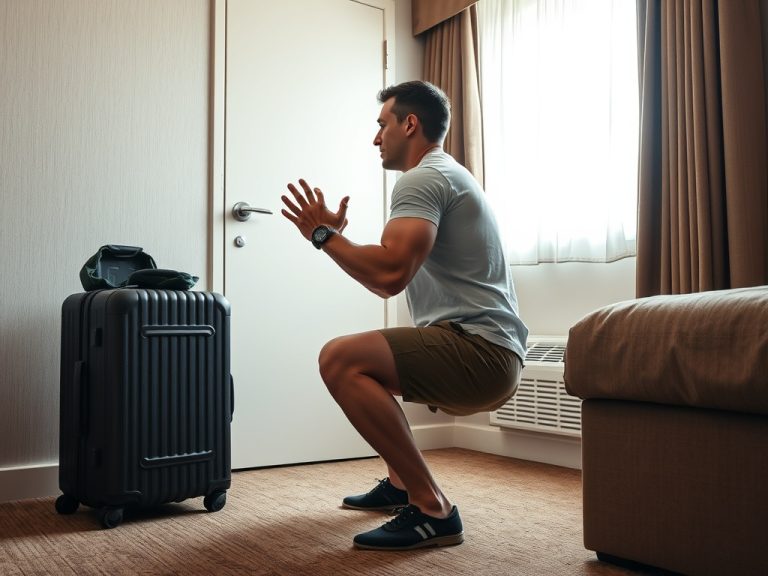
| Strength training | Medium; higher for jumping circuits | Stable band, coverage, minimal hardware pressure | Press, hinge, and raise arms |
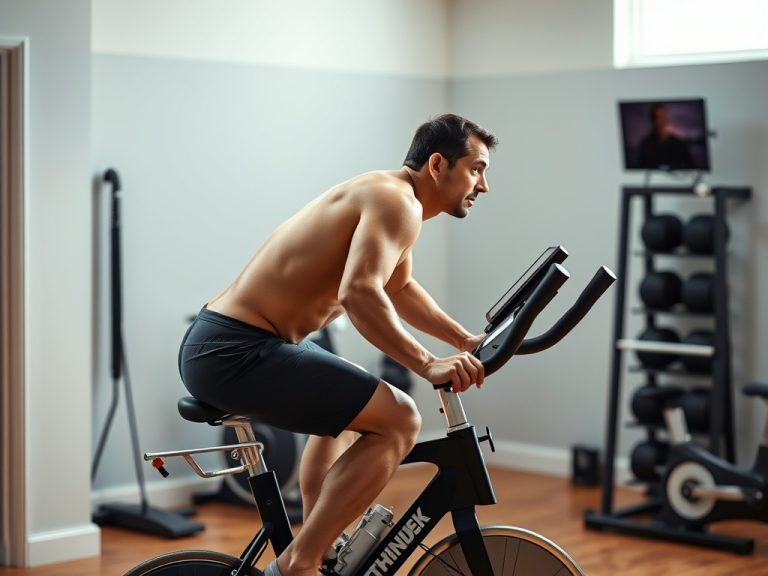
| Cycling, elliptical, brisk walking | Medium | Moisture control and secure straps | Sustain movement for several minutes |
| Running, court sports, HIIT | High | Encapsulation or hybrid design, adjustability, strong band | Jog, jump, and change direction |
Understand compression, encapsulation, and hybrid designs
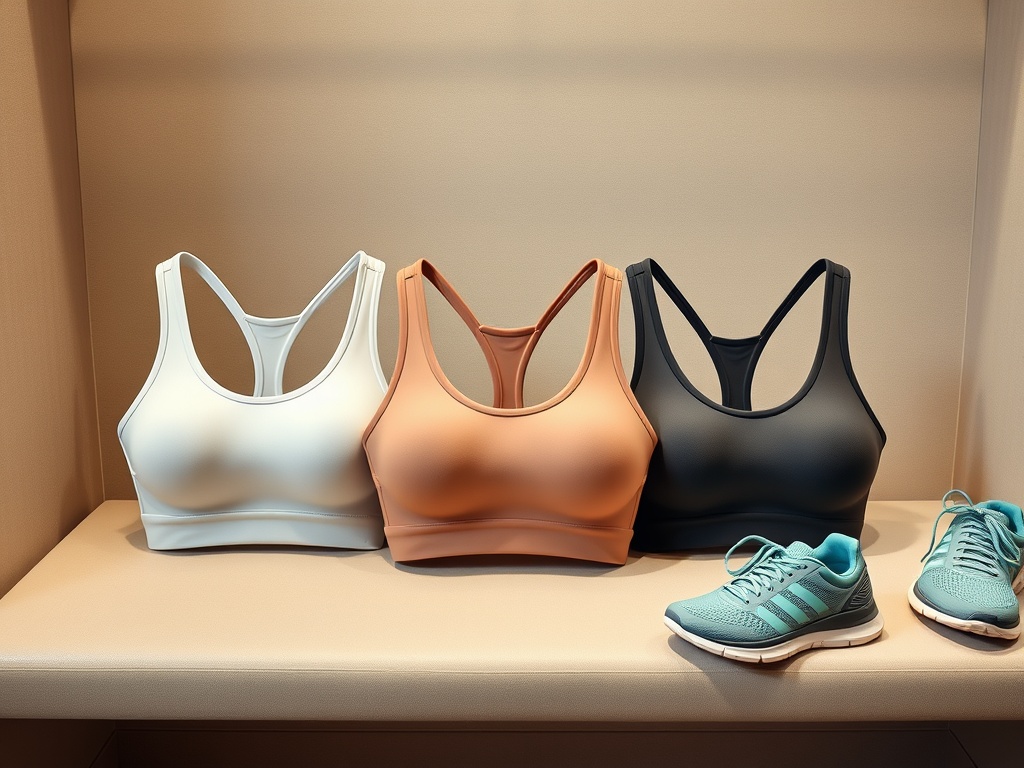
Compression bras hold breast tissue closer to the chest and often work well for lower-impact activity or smaller cup sizes. Encapsulation designs support each breast in a shaped cup. Hybrid designs combine both methods. No category is automatically superior; breast size, shape, sensitivity, and the movement pattern determine what feels secure.
Sports Medicine Australia’s breast-support guidance describes these design types and recommends high support for activities involving running, jumping, and forceful arm movement. It also emphasizes assessing both discomfort and movement during the actual activity.
Fit the band first
The band provides much of the support. It should sit level around the torso and feel firm without restricting breathing. If it rides up, support is likely insufficient or the band is too loose. If it causes sharp pressure, numbness, or deep marks, the size or design may be wrong.
- Check the loosest hook on a new adjustable bra so there is room to tighten as the elastic ages.
- Raise both arms and twist; the band should stay in place.
- Take several deep breaths to confirm the fit does not restrict normal breathing.
- Avoid choosing a smaller band solely to stop movement if cups and straps are not also correct.
Check cups and coverage
Breast tissue should be contained without bulging at the top, sides, or under the band. Wrinkling or empty space may indicate a cup that is too large or a shape mismatch. Underwires, when present, should surround tissue and lie against the rib cage rather than pressing into the breast.
Sizing is inconsistent across brands and styles, so treat the labeled size as a starting point. Try adjacent band and cup sizes, and compare how the bra behaves during movement. A model that fits in one color or season may also change if the manufacturer updates the design.
Straps refine support; they should not carry everything
Straps should remain secure without digging or causing neck pressure. Adjustable straps help accommodate torso length and changing elasticity. Wider straps can distribute pressure, but width alone does not guarantee support. Racerback designs may feel stable for some people and uncomfortable for others.
Perform a movement-specific fitting test
1. Put on the bra and adjust the band and straps as intended.
2. Walk, raise the arms, rotate, and take deep breaths.
3. Perform the key movement: jog, jump, row, cycle, or move through yoga positions.
4. Notice bounce, pain, rubbing, slipping straps, and band movement.
5. Test under the clothing and duration you expect to use, when return policies allow.
If you combine running or cycling with lifting, the guide on strength and cardio on the same day can help you anticipate which movement test matters most for a mixed session.
Chafing and skin comfort
Seams, zippers, underbands, and wet fabric can rub during long sessions. Check the lower band, underarms, sternum, and strap edges. Moisture-wicking fabric may improve comfort, but fit remains the first control. Anti-chafe products can help in selected areas, yet they should not be used to excuse a bra that shifts substantially.
When to replace a sports bra
There is no universal replacement date. Replace or retire the bra when the band remains loose on the tightest setting, support noticeably declines, straps no longer hold adjustment, fabric stays stretched, hardware is damaged, or chafing appears despite correct sizing. Rotating bras and following care instructions may extend useful life.
Training comfort also depends on recovery and fueling. Review foods that support better sleep and recovery when increased training volume, late sessions, or poor sleep is making every workout feel less comfortable.
Special situations deserve individual fitting
Pregnancy, postpartum changes, breast surgery, mastectomy, chronic pain, or significant asymmetry may require specialist advice and a wider range of designs. Seek clinical guidance for new breast pain, a lump, skin changes, nipple discharge, or symptoms that are not clearly related to garment fit.
Persistent discomfort can reduce training quality and may be confused with general workout fatigue. Use the difference between normal fatigue and overtraining to separate a garment-specific problem from a broader pattern of poor recovery.
Laundry and care affect support
Sweat, body oils, heat, and repeated stretching gradually affect elastic fabric. Follow the garment instructions, fasten hooks before washing, and consider a mesh bag for delicate pieces. High heat can damage elastic in some garments, so air drying may be appropriate when the care label recommends it.
Own enough bras to let each one dry fully between demanding sessions. A damp bra increases friction and may hold its shape poorly. Do not judge fit immediately after the garment has been stretched by a long workout; reassess once it is clean and dry.
If a formerly supportive bra changes suddenly, inspect seams, hooks, zippers, and the lower band. Repair only when it does not compromise support or create rough edges.
Online shopping can work when measurements, detailed size charts, and flexible returns are available, but it cannot replace the movement test. Try the bra with the intended top and activity before removing tags when the retailer permits returns. Keep notes on the band, cup, and strap combination that worked because labels alone may not transfer between styles.
Buy for the movement you actually do
Start with the highest-impact activity in your week, test that movement, and prioritize secure fit over marketing categories. A sports bra is successful when you can move, breathe, and focus on training without painful bounce, pressure, or repeated adjustment.