The best desk-movement app is the one that delivers reminders you will follow without disrupting essential work. Choose between simple timers, guided movement-break apps, computer-use monitors, and wearable prompts based on your device, privacy preferences, and how much structure you need.
App-selection shortcut
Use a simple timer if you already know what movement to do, a guided app if ideas reduce friction, and a desktop monitor if your main problem is losing track of time while using the computer.
What these tools can and cannot do
Movement apps can interrupt long sitting periods, suggest brief exercises, and provide a record of completed breaks. They cannot diagnose posture, correct a workstation, or treat persistent pain. “Perfect posture” is also not a realistic all-day position; changing position and moving regularly are usually more practical goals than holding one rigid alignment.
Before installing anything, decide what behavior you want: stand, walk, look away from the screen, perform mobility work, or complete a short exercise snack. An app that tries to do everything may create more notification fatigue than movement.
A practical comparison of current options
| Tool | Platform or format | Best for | Trade-off |
|---|---|---|---|
| Apple Watch Activity reminders | Apple Watch ecosystem | Wearable nudges and daily activity context | Requires compatible hardware |
| Moova | iPhone and Apple Watch; availability may vary | Guided movement breaks and reminders | Some features may require purchase |
| Stretchly | Windows, macOS, Linux desktop | Open-source, customizable break cycles | Desktop-focused and setup can feel technical |
| Workrave | Desktop computer | Keyboard/mouse-aware microbreaks and rest breaks | Stricter prompts may interrupt some workflows |
| BreakTimer | Windows, macOS, Linux desktop | Simple scheduled reminders and working hours | Provides less exercise guidance |
| Stand Up! | iPhone and iPad | Minimal location- and schedule-aware stand timer | iOS-focused and mainly reminder-based |
Apple Watch Activity reminders
Apple’s Activity guidance for Apple Watch describes tracking movement, exercise, and standing, with reminders that can be configured or paused. This suits people who already wear the device and prefer a wrist prompt over a desktop window. The advantage is low setup; the limitation is that a stand notification does not guarantee a meaningful movement break.
Moova for guided movement snacks
Moova is designed around stand and movement reminders with short guided activities. It may suit a person who ignores generic alarms because they do not know what to do. Review current pricing, device compatibility, privacy disclosures, and accessibility before subscribing, because app features and availability can change.
Stretchly for open-source customization
Stretchly is a cross-platform desktop break reminder with configurable mini-breaks and longer breaks. It can pause during idle time and offers extensive settings. This is useful for people who want control and work across Windows, macOS, or Linux, but the number of options may be unnecessary for someone who wants one hourly prompt.
Workrave for computer-use-aware breaks
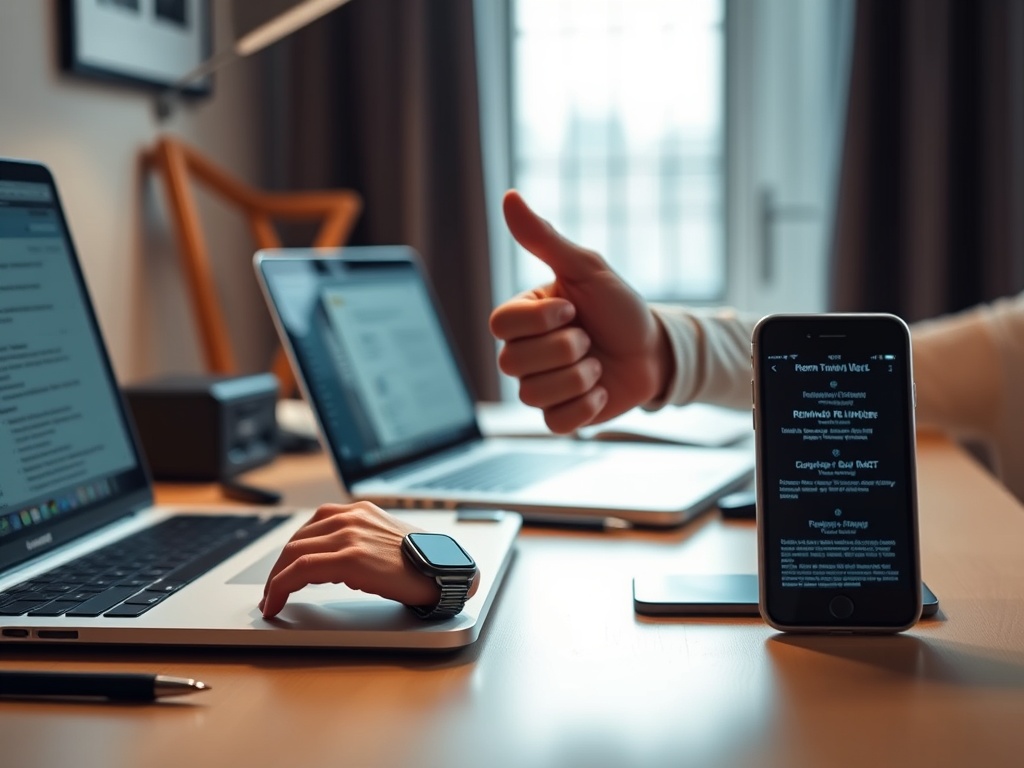
Workrave monitors keyboard and mouse use and can prompt microbreaks, longer rest breaks, and a daily limit. It also offers optional exercises and configurable strictness. That can help people who repeatedly postpone breaks, although forced interruptions may not suit live presentations, calls, or accessibility workflows without careful configuration.
BreakTimer and Stand Up! for simpler reminders
BreakTimer provides scheduled break reminders with working-hour controls across major desktop systems. Stand Up! is a focused iOS timer with customizable intervals and location-based options. These tools fit users who already know that a break means standing, walking, or stretching and do not need an exercise library.
Choose settings that survive real work
1. Start with a reminder every 45 to 60 minutes rather than an aggressive schedule you will immediately mute.
2. Define a minimum response: stand, take twenty steps, look into the distance, and move shoulders or hips.
3. Use quiet or presentation modes for calls and focused tasks.
4. Review after one week: completed breaks matter more than the number of notifications.
5. Adjust frequency gradually if stiffness or uninterrupted sitting remains high.
For a broader daily movement plan, How to Train Your Heart Without Overtraining Your Legs shows how easy walking or cycling can complement brief desk breaks without turning every movement prompt into a workout.
Privacy and workplace questions
Check what the app collects, whether data stays on the device, whether an account is required, and whether employer policies permit installation. Camera-based posture tools require particular scrutiny because images or pose data may be sensitive. A timer that works locally may be preferable when the goal is simply to break up sitting.
- Read the current app-store privacy label and the developer’s privacy policy.
- Avoid granting contacts, location, camera, or microphone access unless the feature genuinely requires it.
- Use employer-approved software on managed devices.
- Confirm accessibility with screen readers, keyboard controls, and notification settings.
Do not let the app become another score
A streak can encourage consistency, but it can also create guilt during illness, travel, or deep-focus work. Use the tool as an environmental cue, not a judgment. A missed prompt is solved by taking the next reasonable break, not by doing several compensatory exercise sessions.
This mindset connects with discipline, motivation, and momentum: the app should reduce friction and support a repeatable cue, not demand constant motivation.
Pair reminders with workstation basics
Adjust screen height, input-device position, chair support, and task layout so work feels tolerable, then vary posture and move. Persistent numbness, weakness, radiating pain, severe headaches, or symptoms that worsen despite changes deserve clinical assessment rather than another app.
High-pressure workdays often combine prolonged sitting with poorer sleep. The article on how stress and poor sleep can slow fat-loss progress explains why realistic movement prompts are more useful than compensatory hard workouts.
Run a seven-day app trial
Choose one tool and define the behavior before the trial begins. For example: after each reminder, stand, walk for two minutes, and look away from the screen. Keep the reminder interval conservative and note how many prompts produced action, how many were postponed, and which work situations caused interruption.
At the end of seven days, keep the app only if completed breaks increased and the tool remained acceptable. Adjust timing around meetings or deep work, but do not solve every ignored alert by making notifications louder. A cue that repeatedly arrives at the wrong moment trains you to dismiss it.
App-store ratings can help identify usability problems, but they do not establish health effectiveness. Prioritize transparent features, current maintenance, privacy, accessibility, and whether the reminder changes your behavior in your own work setting.
The best app is the least ignored
Test one tool for seven days with conservative settings. Keep it if it produces more completed movement breaks without disrupting important tasks. Remove it if you repeatedly mute it, resent it, or cannot verify acceptable privacy. The behavior is the goal; the app is only the cue.