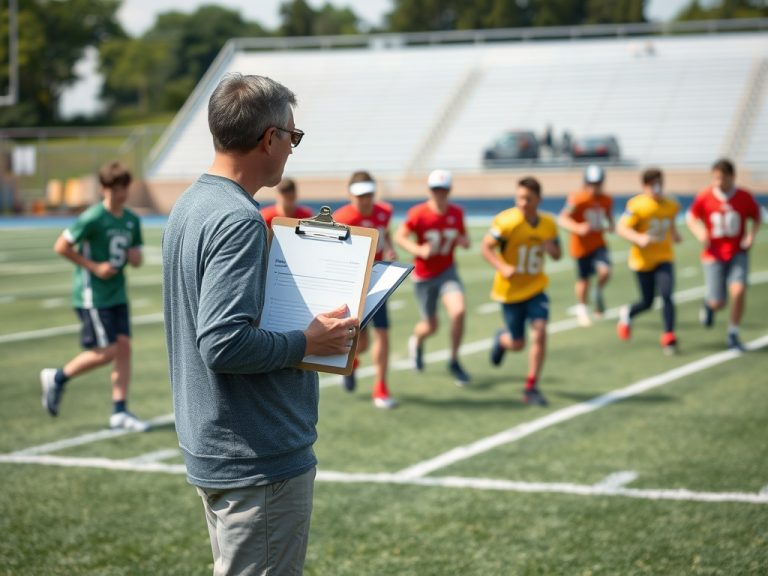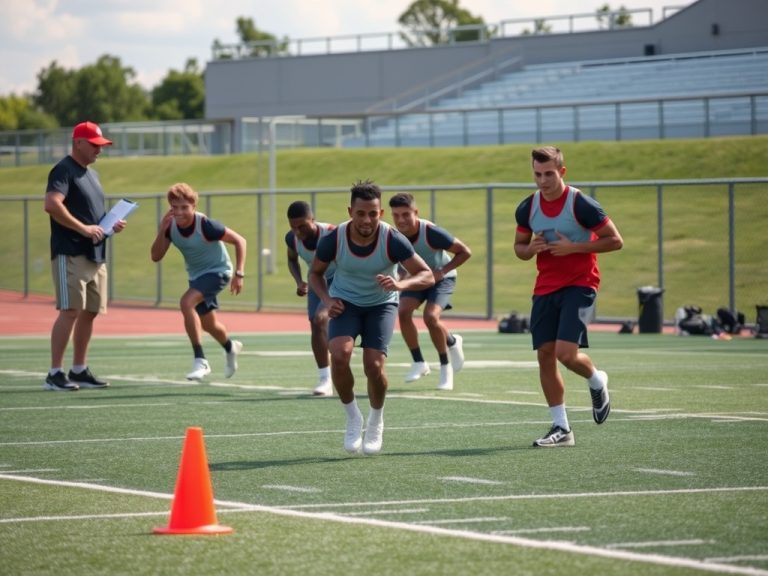
Ankle sprains cannot be prevented completely, but athletes can reduce risk with strength, balance, landing control, proper warm-ups, smart footwear, and better return-to-play decisions.
TL;DR: The article gives practical steps, common mistakes, and safe ways to apply the topic without overcomplicating it.
Why ankle sprains are so common
Court and field sports ask athletes to cut, jump, land, pivot, and react in crowded spaces. The ankle often has to stabilize the body while the athlete is off balance or changing direction. That is why sprains are common in basketball, soccer, volleyball, football, tennis, lacrosse, and similar sports.
The best prevention plan is not one magic brace or exercise. It is a layered routine that improves strength, proprioception, mobility, landing mechanics, and readiness. The AAOS foot and ankle conditioning program includes exercises that target muscles supporting the lower leg, foot, and ankle, while the National Athletic Trainers’ Association position statement discusses prevention and management principles for athletes.
Athletes with a previous sprain need extra care because repeat sprains can lead to chronic instability. That does not mean fear every movement. It means prepare the joint before asking it to handle chaos.
A five-part prevention routine
Start with a general warm-up: light jogging, skipping, shuffles, and mobility. Then add ankle-specific activation such as calf raises, banded inversion and eversion, and controlled toe walks. Move into balance work with single-leg stands, reach patterns, and eyes-forward control.
Next, practice landing. Athletes should land softly, keep the knee aligned, and avoid collapsing inward. Finally, add sport-specific change-of-direction drills at controlled speed before full-intensity play.
This routine should take 8 to 12 minutes once learned. It works best when done consistently, not only after someone gets hurt.
Footwear, braces, and surfaces
Shoes should match the sport, surface, and athlete’s foot. Worn-out soles can reduce traction and stability. A shoe that is too loose may let the foot slide during cuts. A shoe that is too restrictive may create other problems.
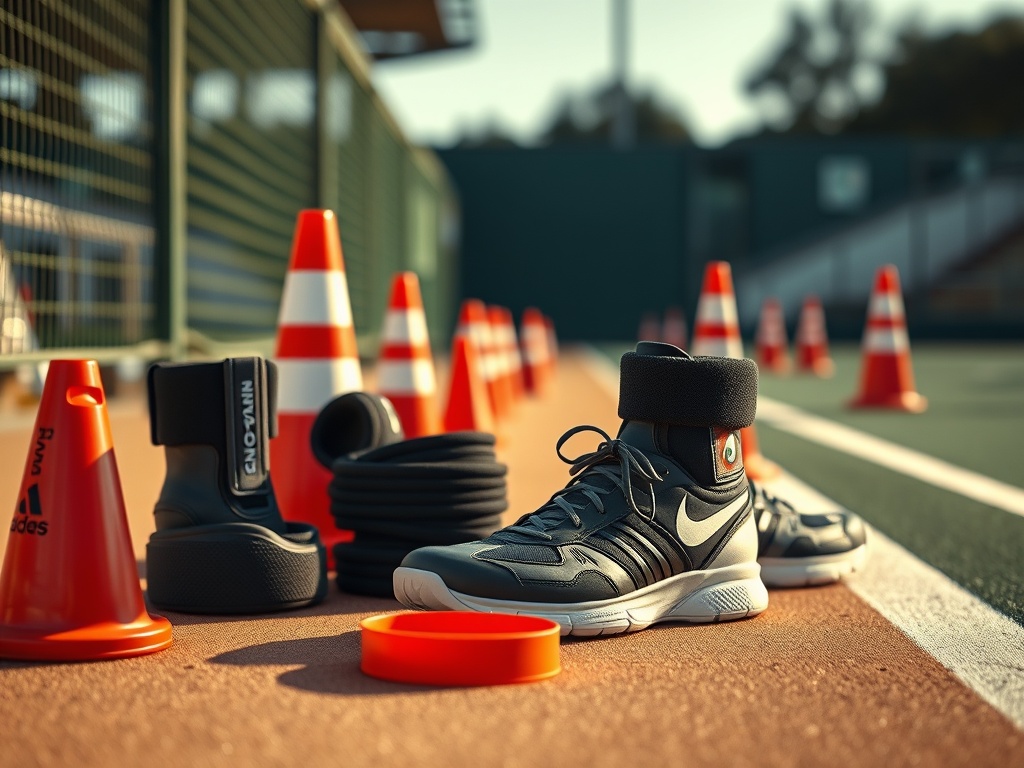
Bracing or taping can help some athletes, especially those with prior sprains, but it should not replace strength and balance training. Athletes should consult a qualified trainer, physical therapist, or medical professional when deciding whether to use external support.
Surface matters too. Dusty courts, uneven grass, wet turf, and cluttered sidelines all raise risk. Coaches should check playing areas before high-speed drills.
Mistakes that increase risk
The biggest mistake is returning too soon after a sprain. Pain may fade before balance, strength, and confidence are restored. Another mistake is doing only stretching and skipping stability work. Mobility is helpful, but unstable ankles need control.
Fatigue also matters. Players who are tired often land poorly and react late. This links directly with conditioning mistakes that leave players tired but not fitter: fitness plans should improve late-game movement quality, not destroy it.
A third mistake is ignoring small warning signs. Repeated rolling, swelling, stiffness, or hesitation during cuts should be addressed before a full game load.
A simple return-to-play checklist
Before returning to full play, an athlete should walk, jog, hop, cut, land, and perform sport-specific actions without pain, swelling, or major compensation. They should also regain confidence in the movement. A medical professional should guide more serious injuries.
Coaches can use gradual exposure: individual drills, controlled partner drills, small-sided play, then full competition. The athlete should not jump from rest to tournament intensity.
For tryout or camp planning, the article on running tryouts that evaluate more than raw talent gives coaches a way to assess players without creating unnecessary injury pressure.
Make prevention part of the culture
Ankle-sprain prevention works best when it is normal, short, and shared. Put it in the warm-up. Teach athletes why each piece matters. Keep the language practical: stronger lower legs, better balance, safer landings, sharper cuts.
No routine can remove all risk from sport. A good routine can reduce avoidable risk and help athletes play with more control.