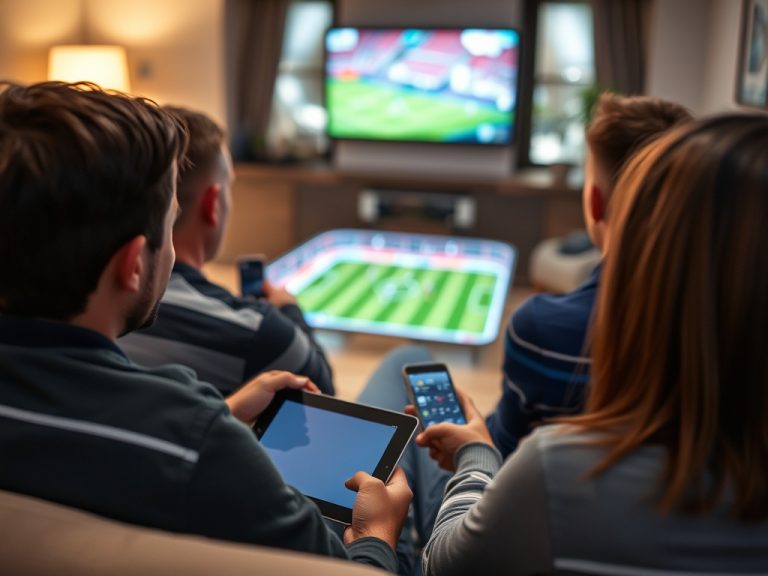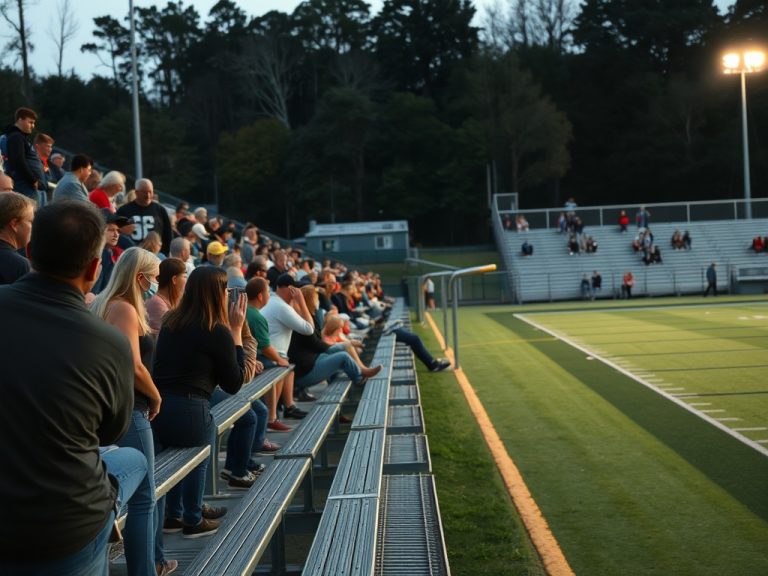
An athlete’s personal brand should feel like a clear public reputation, not a forced performance. Start with values, consistency, useful content, and honest disclosure before chasing sponsorships.
TL;DR: The article gives practical steps, common mistakes, and safe ways to apply the topic without overcomplicating it.
A brand is the reputation people can repeat
A personal brand is not a logo, slogan, or constant self-promotion. For an athlete, it is what people understand about your effort, personality, sport, values, and reliability when you are not in the room. The goal is to make that reputation easier to see without pretending to be someone else.
This matters more as athletes use social media, clinics, camps, local media, and NIL opportunities. The NCAA explains that student-athletes may receive compensation from third parties for use of their name, image, and likeness when rules are followed. The opportunity is real, but so is the need for maturity.
A forced brand usually starts with copying famous athletes. A strong brand starts with a truthful pattern already present in the athlete’s life.
Choose three anchors before posting more
The first anchor is sport identity: what do you want to be known for on the field, court, track, or screen? The second is personal values: discipline, creativity, service, leadership, resilience, humor, or education. The third is audience: teammates, younger athletes, local fans, recruiters, sponsors, or a general sports community.
When these anchors are clear, content becomes easier. A basketball player focused on work ethic, youth mentorship, and local community can post training clips, lessons from coaches, and volunteer moments without sounding random.
The guide to supporting local teams and amateur events is a useful reminder that community connection often builds a more believable athlete story than polished self-promotion alone.
Post content that proves the message
Instead of saying you are hardworking, show parts of the routine. Instead of claiming leadership, show how you help teammates or younger players. Instead of posting only wins, share learning moments carefully and respectfully.
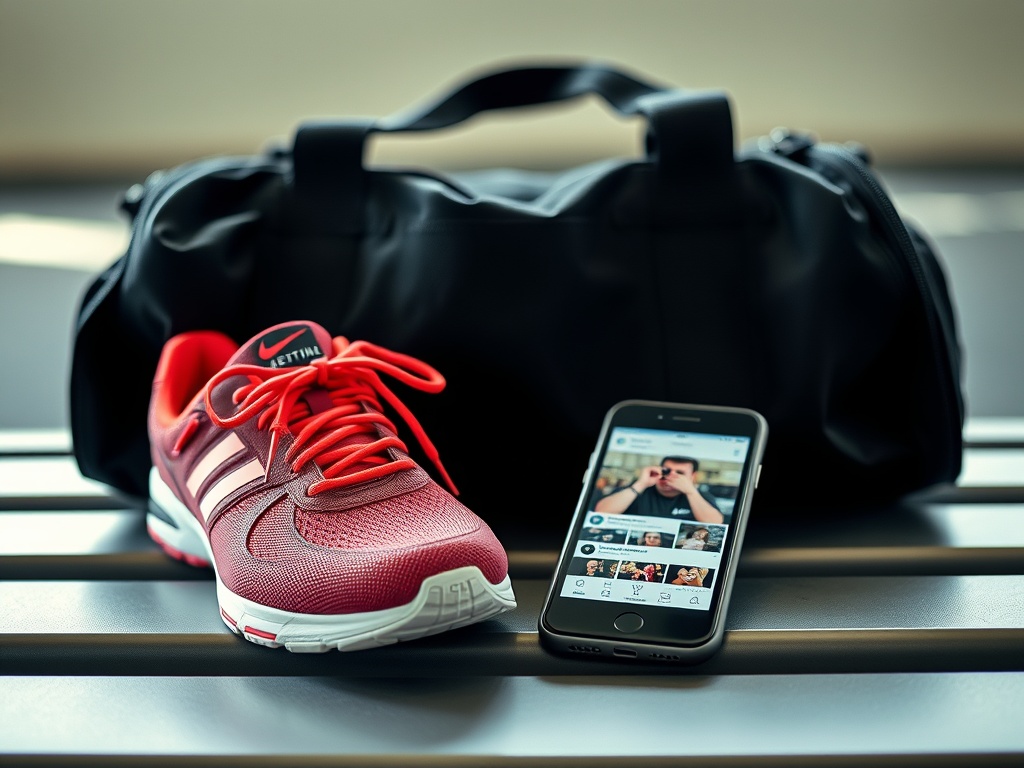
Useful content types include practice notes, recovery habits, match reflections, community involvement, equipment lessons, school-sport balance, and respectful behind-the-scenes moments. Avoid posting private locker-room content, injury details without care, or teammate mistakes.
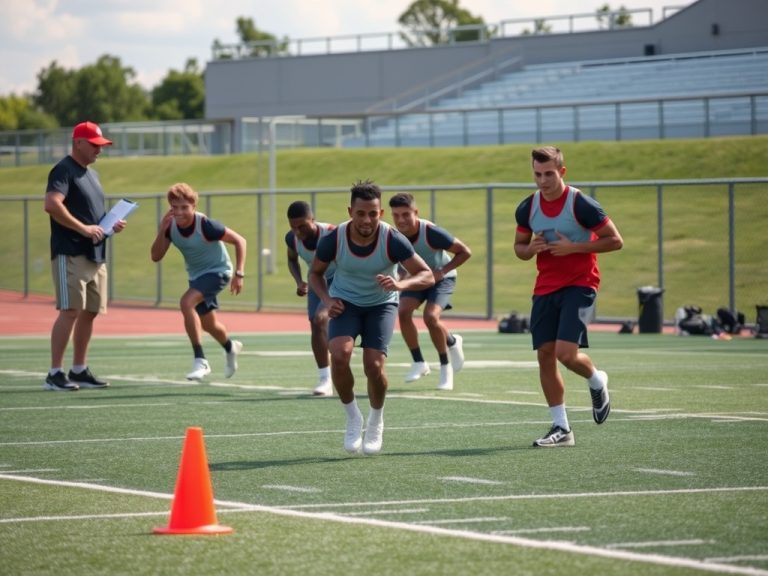
Athletes who compete in team settings should also understand evaluation beyond highlights. The article on tryouts that evaluate more than raw talent shows why coachability and role fit can shape reputation just as much as big plays.
Sponsorship and disclosure basics
When money, free products, discounts, or other benefits are involved, transparency matters. The FTC disclosure guide for social media influencers says relationships with brands should be made obvious when endorsing a product. Athletes should also follow school, team, league, and state rules before accepting deals.
A simple rule helps: if a viewer might think your recommendation is purely personal, but you received something of value, disclose clearly. Do not hide disclosures in a pile of hashtags or vague wording.
For college-bound or current college athletes, NIL compliance can change by division, institution, and time. Ask the compliance office before assuming a deal is allowed.
Avoid sounding forced
Do not turn every post into a motivational poster. Plain language works better: what happened, what you learned, what you are working on, and who helped. The more specific the story, the less it sounds copied.
Limit trend-chasing. If every post uses the same viral format as everyone else, the athlete becomes harder to remember. Use trends only when they fit the anchors.
Protect boundaries. A personal brand does not require sharing every personal detail. Athletes can be authentic and still keep family, health, relationships, and private team matters offline.
A simple weekly rhythm
One practice post, one learning post, one community or team post, and one lighter personality post is enough for many athletes. Quality matters more than volume. Review comments, but do not let comments run your identity.
A strong athlete brand sounds steady because it is built on behavior. Train well, treat people well, disclose honestly, and let the public content reflect the real pattern.