Supporting local teams is about showing up consistently, spending thoughtfully, volunteering when possible, and respecting the people who make school and amateur sports happen.
TL;DR: The article gives practical steps, common mistakes, and safe ways to apply the topic without overcomplicating it.
Why local sports support matters
Local teams rely on more than players and coaches. They need families, volunteers, school staff, officials, small businesses, venue workers, and fans who treat events as community assets. A full crowd can lift the atmosphere, but reliable support also helps with fundraising, participation, and pride.
National organizations show why this ecosystem matters. NFHS participation data shows high school sports remain a major part of student life, and Project Play focuses on building healthier communities through youth sports. Supporting local teams is not only about cheering; it is about keeping the sports pathway open.
The support can be simple. Buy a ticket, bring a neighbor, thank an official, share accurate schedule details, or volunteer for a small role.
Plan before you attend
Check the schedule, parking, ticket rules, weather, bag policy, and seating before the event. For school sports, look for district or athletics department updates. For amateur events, confirm field locations because complexes often have multiple entrances and similar field numbers.
Bring only what you need: water if allowed, weather layers, cashless payment options, a portable seat if permitted, and patience. Local events often operate with small staffs, so flexibility helps everyone.
If you plan to record highlights or interviews, respect privacy and event rules. New creators can prepare with the guide to streaming microphones and cameras for new gaming creators so coverage is clear without being intrusive.
Spend where it helps the event
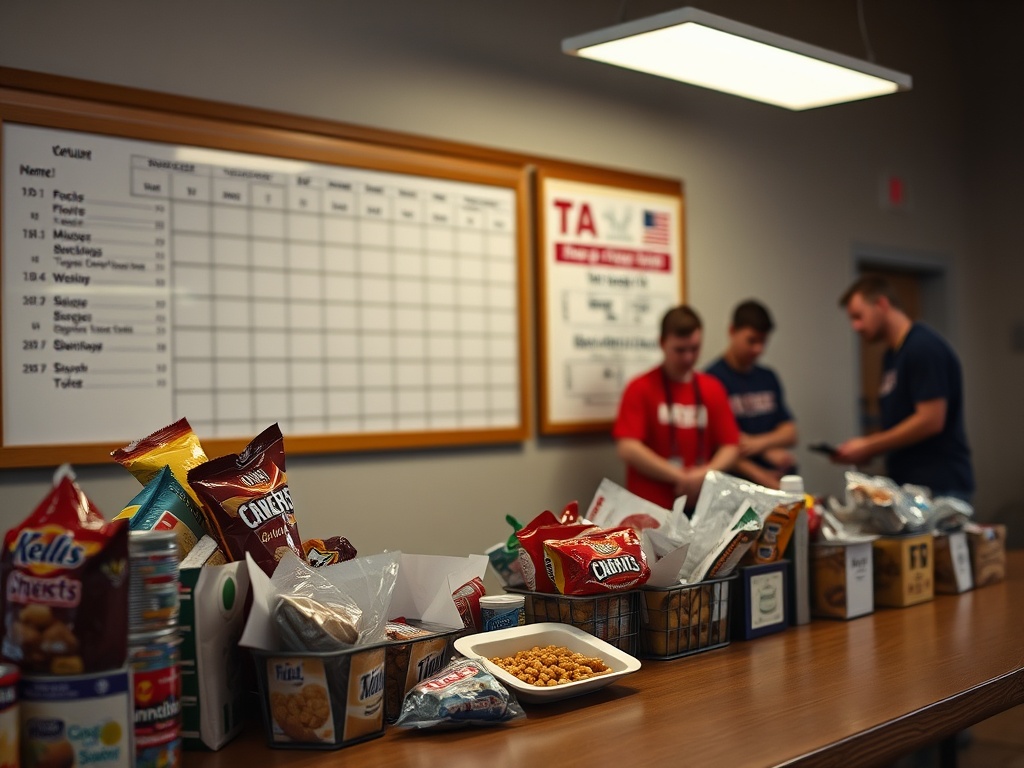
Concessions, raffle tickets, booster merchandise, and program ads can support teams directly. Local restaurants and shops near venues also benefit when fans make game day part of a larger outing. The sports events and tourism field recognizes that events can affect local economies, and groups such as Sports ETA work with that broader event ecosystem.
Spending does not have to be large. A family buying snacks, sharing a fundraiser, or inviting another household can matter at the school and amateur level.
Avoid assuming every team has the same resources. Some programs need volunteers more than money. Others need help with transportation, photography, scorekeeping, or field cleanup.
Be the kind of fan teams want back
Good fan behavior is part of support. Cheer effort, not just outcomes. Do not shout instructions over coaches. Do not harass officials. Do not criticize young athletes loudly from the sideline. Local teams are learning environments as much as entertainment.
If you disagree with a call or coaching choice, remember that many officials and youth coaches are part-time, volunteer, or early in their development. Respect keeps events safer and more sustainable.
Fans who want to help athletes beyond one event can read how to build a personal brand as an athlete and share it with older players who are learning how to represent themselves responsibly.
Volunteer without taking over
Ask what the program actually needs. Common roles include ticket table help, scorekeeping, concessions, field setup, cleanup, transportation coordination, photography, social posts, fundraising, and senior-night planning.
The best volunteers are reliable and low-drama. They arrive on time, follow the organizer’s system, and do not turn the role into a personal platform.
Businesses can help with sponsorships, but small gestures work too: donating water, printing flyers, hosting a team meal, or offering a safe post-game gathering spot.
Keep support going after the final whistle
Share accurate results, congratulate both teams, and highlight effort. If posting online, avoid embarrassing mistakes, injuries, or minors in vulnerable moments. Ask before using close-up photos of young athletes.
Local sports grow through repeated small actions. Showing up once is nice. Showing up throughout a season helps build a culture.
Choose one team, one school, or one amateur event this month and support it in a practical way. Buy a ticket, bring someone new, volunteer for one task, or help spread the schedule.