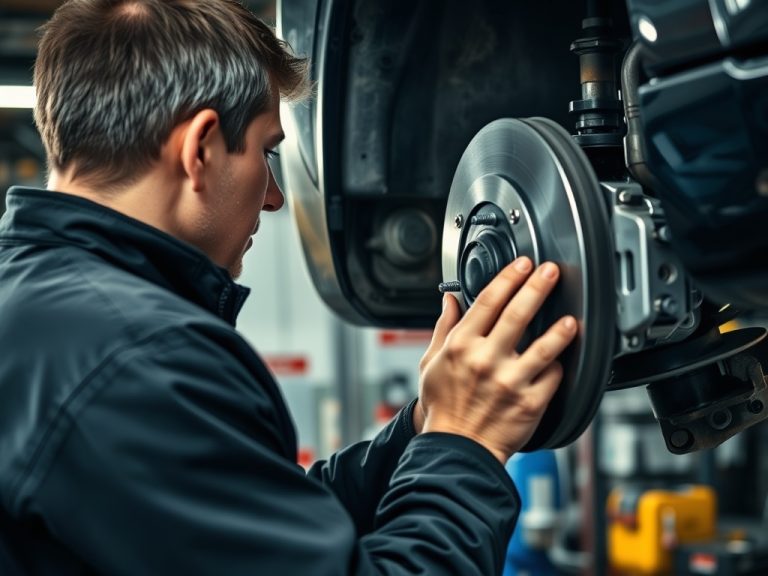
A DIY repair is smart only when the risk is low, the procedure is understood, the right tools are available, and the vehicle can be safely returned to service afterward. The point is not to make the job sound more complicated; it is to make the decision traceable before money changes hands.
TL;DR: Key Takeaways
- Best fit for readers: Intermediate drivers comparing repair advice in the diy vs professional service, tools & owner skills category.
- Ask what was inspected, what was measured, and what would happen if the work is delayed.
- Treat service recommendations as best-practice guidance unless the shop can connect them to a manufacturer limit, safety defect, code, or failed test.
Start With Risk, Not Confidence
The first DIY question is not 'Can I find a video?' It is 'What happens if I am wrong?' Some tasks are forgiving, such as replacing wiper blades or topping washer fluid with the correct product. Others can affect braking, steering, airbags, high-voltage systems, fuel leaks, or engine timing. Confidence matters, but risk matters more. A smart DIY decision starts with the worst credible outcome and works backward.
The DIY Readiness Checklist
Use a checklist before buying parts. Can the vehicle be parked on level ground? Do you have jack stands, eye protection, gloves, a torque wrench, service information, and enough time to finish without rushing? Do you know whether the repair requires calibration, bleeding, relearning, programming, or disposal of hazardous fluid? If the answer to several questions is no, the repair may still be learnable, but it may not be wise today. A similar preparation mindset appears in {L['road']}, where timing matters as much as the inspection itself.
| Question to ask | Why it matters |
|---|---|
| Can I safely lift and support the vehicle? | Many repairs become dangerous before the part is even removed. |
| Do I have the exact procedure and torque specs? | Guessing can damage threads, seals, wheels, or safety parts. |
| Can I stop if something breaks? | A stuck bolt or stripped fastener can turn a small job into a tow. |
| Can I verify the repair afterward? | A repair is incomplete until leaks, noises, lights, or road-test symptoms are checked. |
Tools, Space, Time, and Documentation
Tools are not only about removal. They are about safe reassembly. Many fasteners need a torque specification. Some bolts are single-use. Some clips, seals, crush washers, and gaskets should be replaced rather than reused. If the repair involves a recall, safety campaign, or known defect, check the vehicle through NHTSA's recall lookup before assuming it is a normal owner-pay repair. That simple step can prevent wasted time and protect you from doing work that may need official handling.

When a Simple Repair Stops Being Simple
A simple repair stops being simple when diagnosis is uncertain. Replacing a battery may not solve a parasitic draw. Replacing pads may not solve a seized caliper. Replacing a sensor may not solve a wiring fault. The FTC's auto repair guidance encourages consumers to understand common problems, ask questions, and be prepared before authorizing work, and the same mindset helps DIY owners decide when professional diagnosis is smarter: Federal Trade Commission auto repair basics.
A Safer Decision Before the First Bolt Turns
Before the first bolt turns, decide your exit plan. Can the vehicle stay apart overnight? Can you tow it if needed? Do you have a second vehicle? Are replacement clips, fluids, and fasteners available locally? If the repair touches brakes, suspension, steering, fuel, cooling, or electronics, build in extra margin. A careful owner is not less capable for stopping early. Sometimes the smartest DIY move is recognizing when a professional can finish the job faster, safer, and with better verification.
The Personal Skill Check Before the Repair Starts
A DIY repair decision works best when the driver turns a vague concern into a specific service question. Instead of asking for the cheapest option, ask what was observed, what was measured, and what risk changes if the work waits. That framing keeps the conversation practical. It also makes room for normal professional judgment without letting opinion replace evidence. A shop may prefer a certain method or parts line, but the driver should still understand why that choice fits the vehicle, the symptom, and the expected result.
Red flags are not always dramatic. A missing measurement, a recommendation that changes when you ask one question, a refusal to explain parts quality, or an estimate that hides labor and supplies can all signal that the decision needs more clarity. The right response is not automatically to reject the shop. It is to slow the process down, ask for the missing detail, and decide whether the answer feels consistent with the vehicle condition and the written estimate.
After the work or inspection, keep a simple record. Save the estimate, the invoice, photos, test results, and any notes about what improved. Then monitor the original symptom under the same conditions. If the problem returns, those details help the next conversation start from evidence rather than memory. This is especially useful when more than one system could be involved or when several maintenance items were performed close together.
Hidden Costs DIY Owners Often Miss
The part is rarely the full cost of a DIY repair. Add fluids, cleaners, fasteners, specialty sockets, torque tools, scan-tool access, protective equipment, disposal, and the possibility of a second parts run. Also account for time. A two-hour video may represent a clean vehicle, a lift, warm weather, and an experienced technician, not a rusty vehicle on jack stands in a driveway.
The safest DIY owners know when to pause. If a fastener rounds, a line cracks, a connector breaks, or a warning light appears after the repair, forcing the job forward can turn a manageable problem into a more expensive one. Build a stopping point into the plan.
How to Plan a Safe Stopping Point
One more useful habit is to separate immediate safety decisions from longer-term ownership decisions. Immediate decisions answer whether the vehicle should be driven today, repaired before the next trip, or parked until inspected. Longer-term decisions answer whether the repair fits the vehicle's age, value, usage, and future plans. This separation prevents one estimate from feeling like an all-or-nothing judgment. A driver may approve a safety repair now, monitor a comfort issue, and schedule preventive work later when timing and budget make more sense.
When comparing shops, do not compare the final total alone. Compare the explanation, inspection depth, part quality, warranty language, diagnostic method, and willingness to document findings. Two estimates can look different because one includes hardware, testing, programming, fluid, cleanup, or verification that the other omitted. A cheaper estimate is helpful only if it solves the same problem to the same standard. A more expensive estimate is reasonable only when the added value is clear enough for the driver to understand.
Finally, keep the language precise when you talk with the shop. Say what you felt, heard, smelled, saw, or measured, and avoid naming a part unless it has already been tested. Clear symptom language helps the advisor write a better repair order and helps the technician reproduce the concern. It also protects you from approving a repair based on a guess you accidentally introduced into the conversation.
Practical Wrap-Up for Questions to Ask Yourself Before Attem
Use the checklist before buying parts, and step back if safety systems, unclear diagnostics, or missing tools raise the risk.