A job hazard analysis is a practical task-by-task review that helps supervisors identify hazards, choose controls, and explain the work plan before crews start. For construction and maintenance teams, the value of a JHA is clarity. It turns a broad instruction like “remove the old equipment” into steps, hazards, controls, responsibilities, and stop-work triggers.
Key Takeaway: Use the article's checklist to turn job hazard analysis construction into a practical review of scope, risk, schedule, and handoff requirements before work begins.
Keep the JHA Close to the Work
A useful JHA is specific enough for the task happening now. It should name the job, location, crew, tools, sequence, likely hazards, controls, and review points. A generic form that says “wear PPE” is not enough. The supervisor should be able to use it for a short field conversation before work begins.
OSHA describes job hazard analysis as a technique focused on job tasks, the worker, the task, tools, and the work environment. That simple structure keeps the process practical for crews.
Break the Task Into Real Steps
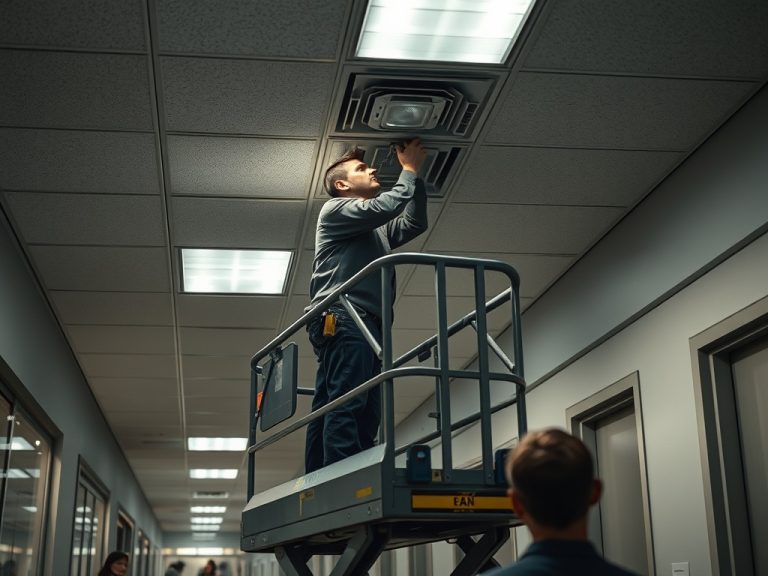
Start by writing the work sequence in plain language: mobilize tools, isolate energy, set access equipment, remove fasteners, lift component, lower component, clean area, restore system, and inspect. Each step should be small enough that a hazard can be identified clearly.
Do not write the JHA from memory only. Stand where the work will happen. Look above, below, behind, and around the task. Conditions such as slope, poor lighting, wet surfaces, nearby production, stored materials, and pedestrian traffic can change the plan.
For additional technical context, teams can compare project assumptions with OSHA Job Hazard Analysis publication and OSHA JHA worksheet, then verify what applies locally before using those resources as a project requirement.
Choose Controls in a Sensible Order
Controls should do more than name protective gear. Ask whether the hazard can be eliminated, substituted, engineered out, administratively controlled, or reduced with PPE. For example, avoiding hot work is usually better than relying only on a fire watch. Using a lift point designed for the load is better than improvising a manual handling method.
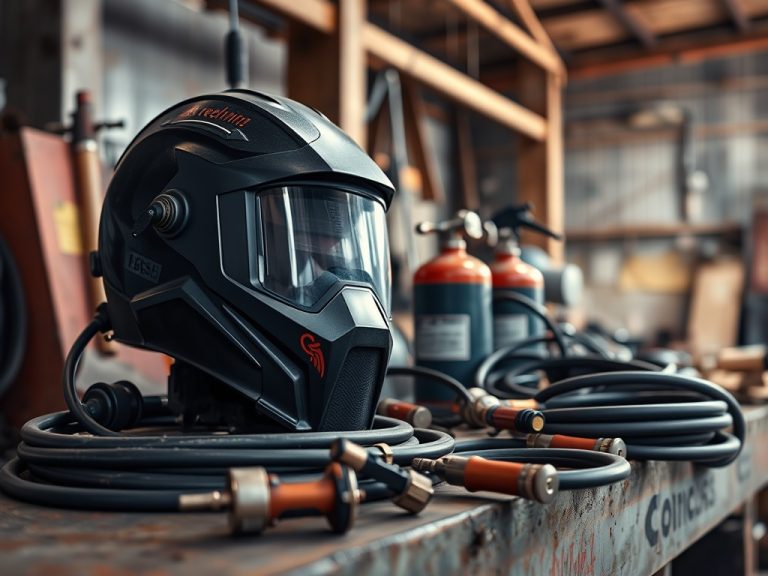
When welding, cutting, or grinding is involved, supervisors should connect the JHA with fire prevention, ventilation, eye protection, and cylinder handling. A basic understanding of welding equipment for construction and repair teams helps supervisors ask better pre-task questions.
Teaching New Crew Members With the JHA
A JHA can double as a training tool for new workers. It shows how experienced supervisors think through access, tools, energy, materials, weather, and adjacent operations. Instead of giving only verbal warnings, the supervisor can point to each task step and explain the reason behind the control.
New crew members should be encouraged to speak up when the written steps do not match the field condition. That habit helps prevent the form from becoming a ritual detached from real work.
Job hazard analysis made simple for field superv Table
| JHA element | Plain-English purpose |
|---|---|
| Task steps | Shows how the work will happen |
| Hazards | Identifies what could hurt people or damage property |
| Controls | Explains how exposure will be reduced |
| Review trigger | Defines when to stop and update the plan |
What Makes a JHA Too Vague
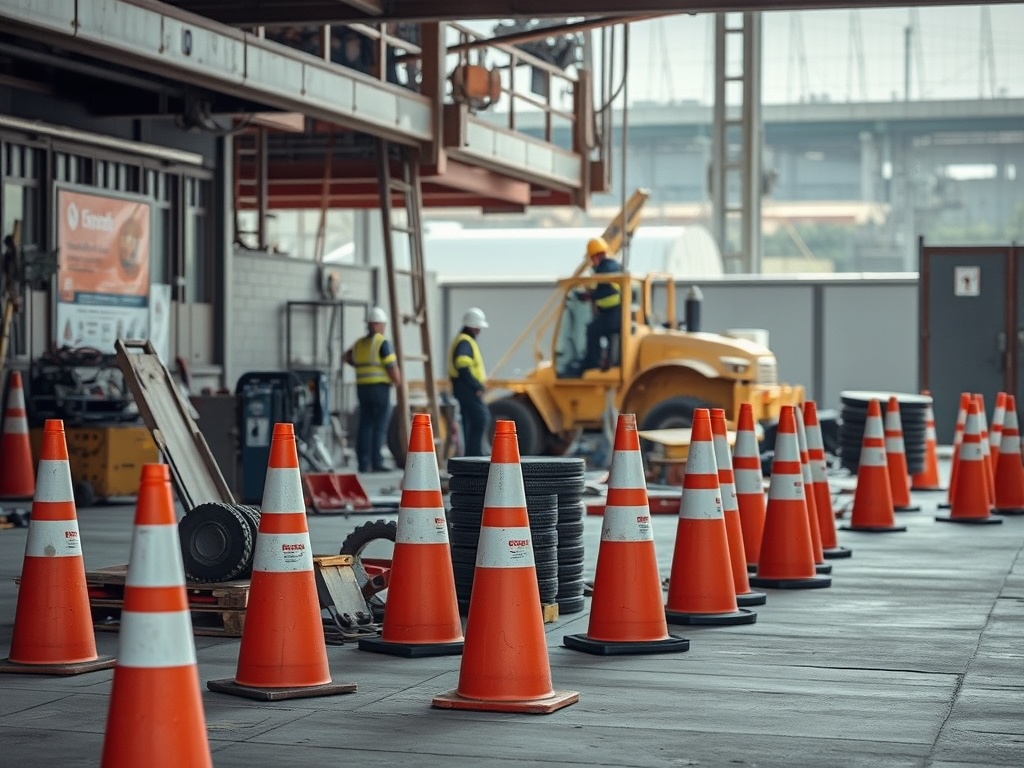
A JHA is too vague when it could apply to almost any job. Phrases such as be careful, use PPE, watch your surroundings, or follow procedure may be true, but they do not explain the actual hazard or control. Better entries name the exposure and the specific control, such as barricade the drop zone, verify zero energy, or use wet methods for dust control.
Supervisors should review old forms and remove language that no longer helps the crew make decisions. Short, specific entries are usually better than long generic ones.
A Five-Minute Field Example
Before removing a rooftop fan, the supervisor can walk through the sequence: access the roof, isolate energy, verify zero energy, disconnect fasteners, rig the load, lift, lower, and secure the opening. Each step produces different hazards. The JHA turns that sequence into a conversation the crew can understand quickly.
The value is not the paper. The value is that everyone hears the same plan before tools come out.
Questions That Improve Crew Participation
Supervisors can ask the crew what has changed, what step worries them most, and what condition should stop the job. These questions invite practical feedback from the people closest to the work. They also make it easier for quieter workers to raise concerns.
A JHA works best when the crew sees it as a tool for planning, not a test of compliance. Participation improves when workers can see their input change the plan.
Linking JHAs With Daily Planning
A JHA should connect with the day’s schedule, permits, toolbox talk, and material plan. If a crane, lift, utility outage, or subcontractor arrival changes, the JHA should change too. Keeping these items linked helps supervisors avoid treating safety planning as a separate paperwork task.
Keeping the Form Short Enough to Use
A field JHA should be detailed but not bloated. If the form is too long to review before work, supervisors may rush through it. Focus on the task, the hazards that matter most, and the controls the crew must actually use.
Use the JHA for Communication, Not Paperwork
The field conversation matters more than the form. Ask the crew what could go wrong, what changed since the plan was written, and what condition would make them stop. Include subcontractors and operators who affect the work area.
In active facilities, the JHA should also consider production and utility coordination. Projects similar to manufacturing facility expansions that affect utilities and uptime may involve tie-ins, temporary services, or lockout steps that must be clearly understood by more than one team.
Update the Analysis When Conditions Change
A JHA is not finished once it is signed. Weather, missing materials, different equipment, new crews, schedule pressure, or unexpected existing conditions can make yesterday’s plan incomplete. Supervisors should pause and revise the JHA when the task changes.
Residential and small-site work deserves the same mindset. Even a project such as storm upgrades for vulnerable homes can involve ladders, roof edges, crawlspaces, electrical hazards, and demolition dust.
Simple JHA Checklist for Supervisors
- Name the exact task, location, crew, and date.
- List the work steps in the order they will happen.
- Identify hazards for each step, including surroundings and adjacent operations.
- Select controls that match the hazard, not just generic PPE.
- Confirm tools, permits, inspections, and emergency contacts before starting.
- Review the JHA with the crew and revise it when conditions change.
Making Safety Conversations Easier
A good JHA makes supervision easier because it gives everyone the same picture of the task. It is not a guarantee that nothing will go wrong, but it improves the chances that hazards are seen and controlled before exposure begins.
This article is educational only and does not replace OSHA requirements, safety professional guidance, legal advice, or site-specific procedures. Supervisors should follow their employer’s safety program and applicable regulations.