Welding equipment choices should match the material, joint, environment, power source, safety controls, and skill level needed for the construction or repair task. For non-specialists, the goal is not to become a welder in one article. It is to understand the major equipment categories, what questions to ask, and which safety issues must be planned before hot work begins.
Key Takeaway: Use the article's checklist to turn welding equipment basics into a practical review of scope, risk, schedule, and handoff requirements before work begins.
The Main Welding Setup Categories
Construction and repair teams commonly encounter stick welding, MIG welding, TIG welding, flux-cored arc welding, oxy-fuel cutting or welding, and resistance or specialty processes. Each uses different equipment and has different strengths. Stick welding is often valued for field durability. MIG can be productive in controlled settings. TIG can provide precise control for suitable materials and applications. Flux-cored processes may suit heavier work, depending on conditions.
The right choice depends on base metal, thickness, joint access, position, required quality, weather exposure, power availability, and code or specification requirements. Equipment convenience should not override the project requirement.
Power Sources, Leads, Torches, and Consumables
A welding setup may include a power source, leads, electrode holder or gun, ground clamp, shielding gas, regulator, hoses, filler metal, electrodes, wire feeder, torch, cylinders, carts, screens, and ventilation equipment. Consumables must match the process and material. Storage matters because moisture, damage, contamination, or wrong selection can affect weld quality.
Written requirements often define acceptable processes, filler metals, inspection, and documentation. That is why teams should understand construction specifications versus plans before assuming a field repair can be made with whatever equipment is on the truck.
For additional technical context, teams can compare project assumptions with NFPA hot work safety information and NFPA 51B standard information, then verify what applies locally before using those resources as a project requirement.
Hot Work Safety Comes First
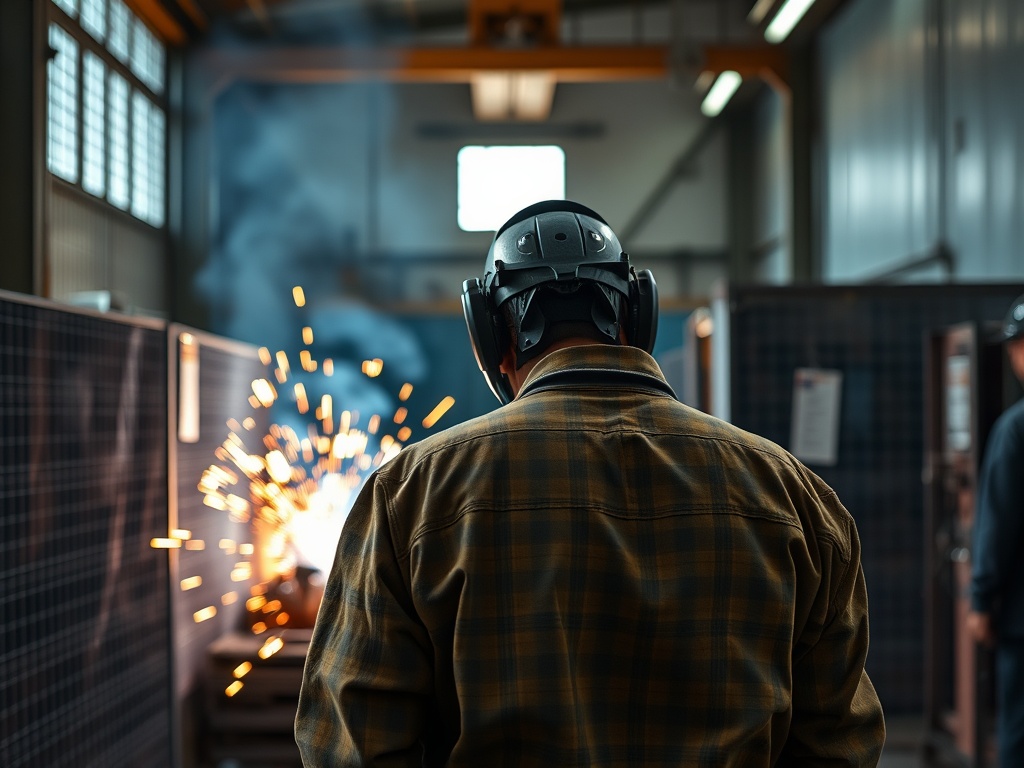
Welding, cutting, brazing, soldering, and grinding can introduce ignition sources. NFPA hot work safety information emphasizes considering alternatives before hot work because avoiding ignition sources can reduce fire risk. When hot work is necessary, permits, fire watch, gas handling, ventilation, shielding, and post-work monitoring may be required.
A practical job hazard analysis for construction should identify fire exposure, fumes, electric shock, eye injury, burns, cylinder handling, nearby combustibles, and weather conditions before work starts.
Questions Non-Welders Should Ask
Project managers and owners do not need to select every welding parameter, but they should ask who is qualified, which procedure applies, what inspection is required, what fire prevention steps are planned, and how adjacent materials will be protected. These questions help reveal whether the work is being treated as a controlled process or an improvised repair.
They should also ask what happens if the existing material is different from what was assumed. Field repairs often uncover coatings, corrosion, unknown alloys, or access problems that change the method.
Welding equipment basics for construction and re Table
| Equipment area | Questions to ask |
|---|---|
| Power source | Is the available power suitable and safe for the process? |
| Consumables | Do electrodes, wire, or filler metal match the material? |
| Shielding and ventilation | Will fumes, gases, and wind be controlled? |
| Fire prevention | Are permits, screens, fire watch, and cleanup addressed? |
Storage and Maintenance of Equipment
Welding equipment should be stored, inspected, and maintained so it is ready when needed. Damaged leads, leaking hoses, contaminated consumables, missing regulators, and poor cylinder storage can create safety and quality problems before the arc starts. Routine checks are part of responsible repair work.
Consumables should be protected from moisture and contamination according to the process and manufacturer instructions. A repair team that controls storage is more likely to produce consistent results in the field.
A Field Repair Example
A broken gate hinge, damaged stair rail, or cracked equipment bracket may look like a quick weld. Before starting, the team should identify the base material, coating, load path, nearby combustibles, access, and inspection requirement. A quick repair can become unsafe if those details are ignored.
In many cases, cutting, grinding, or bolting may also be part of the repair. The equipment plan should cover the full task, not only the moment of welding.
Questions Before Hot Work Starts
Before welding or cutting begins, ask whether there is a safer alternative, what combustibles are nearby, who is assigned to fire watch, and how ventilation will be handled. Ask what inspection is required after the work cools and before the area returns to normal use.
These questions do not slow the job unnecessarily. They reduce the chance that a quick repair creates a larger safety problem.
When to Bring in a Specialist
Specialists are needed when welds affect structural capacity, pressure systems, critical equipment, code-regulated work, or unfamiliar materials. Bringing in qualified help early can prevent unsafe repairs, failed inspections, and repeated downtime caused by a weld that never matched the real requirement.
Protecting Nearby Finishes
Repair welding often happens near painted walls, finished floors, equipment, or stored materials. Welding screens, blankets, ventilation, and housekeeping should be planned before tools are energized, especially in occupied or partially finished spaces.
Field Conditions Change the Equipment Decision
Outdoor work, tight spaces, elevated work, damp locations, and active facilities can limit what equipment is suitable. Extension cords, generators, temporary lighting, and ventilation must be planned. In some facilities, welding may interfere with operations, alarms, or utility systems.
Coordination can resemble other building-system projects. For example, a lighting retrofit with controls and minimal disruption also depends on power access, phasing, occupant communication, and safe work areas.
Quality Control Is More Than a Good Bead
A weld may look acceptable to an untrained eye and still fail to meet the requirement. Quality control can involve fit-up checks, preheat, interpass temperature, cleaning, procedure qualification, welder qualification, visual inspection, nondestructive testing, and documentation. The need for these steps depends on the project, code, and risk.
Repair work deserves special care because existing materials may be dirty, painted, corroded, galvanized, stressed, or difficult to identify. Grinding away a crack without understanding why it formed can lead to repeated failure.
Basic Equipment Review Checklist
- Identify base metal, thickness, joint type, position, and required standard.
- Confirm the welding or cutting process allowed by the project documents.
- Verify power, ventilation, shielding, gas storage, and fire protection needs.
- Match consumables to the material and process.
- Prepare the area by removing or protecting combustibles and adjacent finishes.
- Document inspection, permits, and closeout requirements when required.
A Safer Start for Repair Work
Welding equipment basics help owners, supervisors, and junior team members ask better questions. The right equipment is the one that fits the material, environment, safety plan, and required quality. When those conditions are unclear, pause before starting.
This article is for general education only and is not welding instruction, safety advice, engineering advice, or code guidance for a specific project. Welding and hot work should be performed by qualified people under applicable procedures and regulations.