A manufacturing expansion should be planned around utility capacity, shutdown windows, temporary services, and commissioning sequence before layout drawings are treated as final. The building footprint is only part of the project. Power, compressed air, process water, drainage, ventilation, controls, fire protection, and data systems often decide whether the expansion starts smoothly or causes avoidable downtime.
Key Takeaway: Use the article's checklist to turn facility expansion utilities planning into a practical review of scope, risk, schedule, and handoff requirements before work begins.
Separate Building Growth From Production Growth
A larger building does not automatically mean the plant can support additional machines, lines, shifts, or refrigeration loads. Facility teams should compare the proposed production plan with existing utility records, equipment nameplates, maintenance logs, and demand data. This review can reveal transformer limits, compressed-air pressure drops, undersized drains, aging switchgear, or ventilation constraints that are not obvious on a floor plan.
Expansion planning should also identify which systems are mission-critical. A short outage on office lighting may be manageable. A short outage on process cooling, compressed air, or fire pumps may stop production or create safety concerns.
Create a Utility Baseline Before Design Freezes
A practical baseline lists existing capacity, current demand, spare capacity, condition, known bottlenecks, and required permits or inspections. The baseline should include electrical service, panels, feeders, standby power, water, gas, sanitary and industrial drains, air, steam, fire protection, exhaust, make-up air, and network infrastructure.
This is where documents matter. Teams often discover that drawings show what was designed years ago, while field conditions show what was modified later. The difference between drawings and written requirements is similar to the distinction explained in construction specifications vs plans: both matter, but neither replaces field verification.
For additional technical context, teams can compare project assumptions with DOE Advanced Energy Retrofit Guides and OSHA control of hazardous energy overview, then verify what applies locally before using those resources as a project requirement.
Plan Shutdowns Like Mini Projects
Shutdowns need owners, checklists, lockout procedures, staging locations, contingency steps, and restart criteria. Treat each tie-in as a small project with a defined risk level. For example, connecting a new compressed-air header while production is idle may be simple, but modifying electrical distribution that feeds existing equipment may need temporary power, shift coordination, and a rollback plan.
When hazardous energy is involved, OSHA information on control of hazardous energy is a useful starting point for understanding why isolation and verification matter. Site-specific procedures, qualified workers, and applicable standards still control the final plan.
Information to Gather Before Layout Approval
Before an expansion layout is approved, the team should collect utility bills, demand readings, equipment lists, one-line diagrams, panel schedules, compressor data, water and gas usage, drain locations, and maintenance history. This information helps the design team separate available capacity from assumed capacity. It also exposes old field modifications that may not be reflected in record drawings.
Operations staff should be part of this review because they often know which systems are already fragile. A compressor that technically runs may be overloaded during humid weather. A drain that appears adequate may back up during washdown. Those field realities can change both design and phasing.
How manufacturing facility expansions affect uti Table
| Expansion concern | Planning question |
|---|---|
| Electrical service | Can the service support new connected and demand loads? |
| Compressed air | Will pressure and flow remain stable at peak production? |
| Drainage | Can floor drains and process waste systems handle new equipment? |
| Shutdowns | What tie-ins require isolation, testing, and restart approval? |

Start-Up Records That Support Long-Term Uptime
After the expansion starts operating, keep records of startup readings, control setpoints, commissioning reports, balancing data, equipment manuals, warranties, spare parts, and training notes. These records become the baseline for troubleshooting. Without them, the maintenance team may not know whether a future problem is a new failure or an old condition that was never corrected.
A closeout meeting should include operations, maintenance, safety, engineering, and production leadership. The discussion should cover what changed, what remains temporary, what alarms mean, and which maintenance tasks were added by the expansion.
A Small Example of Utility Ripple Effects
Adding one production line can affect more than the immediate floor area. The new line may need compressed air, chilled water, exhaust, floor drains, controls networking, forklift charging, and lighting changes. If any one support system is missed, startup can stall even when the equipment itself is installed correctly.
This is why expansion meetings should include maintenance and operations staff early. They can identify practical limits that may not be visible to outside designers during a short site visit.
Decision Questions for Plant Leadership
Plant leaders should ask which utility is the tightest constraint, which tie-in creates the greatest outage risk, and what production loss would occur if startup is delayed. They should also ask what temporary conditions will remain after the first day of operation and who owns their removal.
These questions keep the discussion focused on uptime, not only construction completion. A new line is not truly complete until it can run reliably inside the existing facility.
Protect Uptime During Commissioning
Commissioning is not just a final test. It should begin while the project is being scoped. A good commissioning plan confirms that new equipment starts, existing systems remain stable, alarms report correctly, controls sequences work, and operators know what changed. For complex plants, commissioning may happen in layers: utility energization, dry runs, wet runs, production trials, and final acceptance.
Temporary conditions are another uptime risk. Temporary lighting, temporary ventilation, temporary panels, and temporary routing can become the weak link if no one owns them. This mirrors the logic of lighting retrofit planning, where phasing and controls can matter as much as the new hardware.
Expansion Risks That Deserve Early Attention
Common misses include assuming spare breaker space equals spare capacity, overlooking air compressor duty cycles, underestimating ventilation changes, ignoring floor drain conflicts, and forgetting that fire protection changes may trigger review by the authority having jurisdiction. Data and controls cabling can also limit startup if IT and automation teams are brought in late.
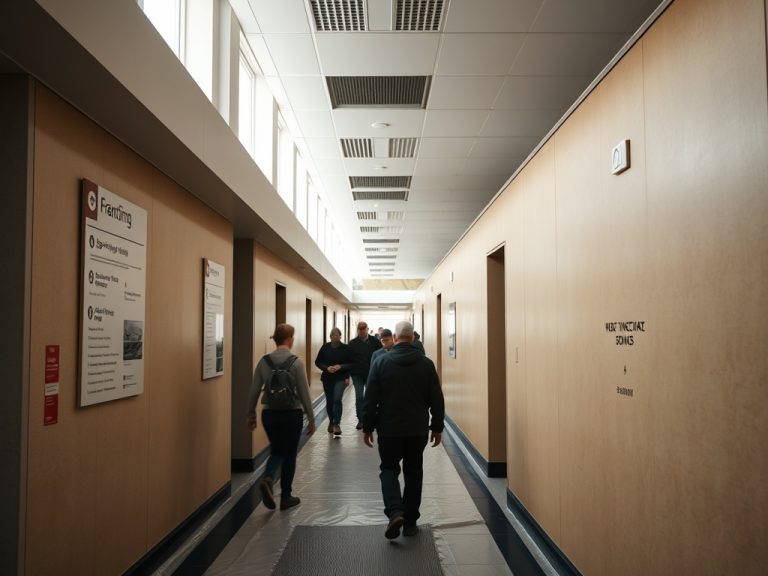
Another overlooked issue is people movement. As production zones shift, temporary signs, barriers, and route changes may be needed. The same practical thinking used for interior signage during renovations can help keep employees, visitors, and delivery drivers away from active work.
Uptime-Focused Planning Checklist
- List every utility affected by the expansion and assign an owner for verification.
- Compare design assumptions with metered demand, maintenance records, and field conditions.
- Identify all tie-ins that could interrupt production or safety systems.
- Write shutdown, restart, and rollback steps before scheduling field work.
- Confirm spare parts, temporary services, and vendor support before the outage window.
- Review commissioning results with operations, maintenance, safety, and project leadership.
A Smarter Path to Plant Readiness
A manufacturing expansion is most successful when the project team treats utilities as production enablers, not background infrastructure. Early capacity checks, realistic phasing, and practical commissioning reduce surprises and support a cleaner startup.
This article is for informational purposes only and does not replace professional engineering, safety, legal, compliance, or project management advice. Before committing to a facility expansion, assemble current utility data and review it with qualified design and operations professionals.