Drought-tolerant landscaping is not simply replacing a lawn with gravel. A resilient hot-climate yard matches plants to the site, improves soil and infiltration, groups plants by water need, uses mulch appropriately, limits thirsty turf to useful areas, and delivers irrigation where roots can actually use it.
TL;DR
• Design around local climate, soil, sun, wind, slope, and water restrictions before selecting plants.
• Use regionally appropriate low-water plants and group them into hydrozones with similar irrigation needs.
• Mulch, soil care, efficient irrigation, and a smaller functional lawn can reduce unnecessary water demand.
Read the Site Before Choosing a Plant Palette
Hot, dry properties are not uniform. A west-facing wall may radiate heat long after sunset, while the north side of the same house stays cooler. Windy corners lose moisture faster. Low spots may hold water after rare storms. Compacted construction soil may shed water even when the climate is dry.
Map sun exposure, reflected heat, slope, drainage, existing irrigation, foot traffic, and soil texture. The U.S. Environmental Protection Agency WaterSense program recommends considering climate, site conditions, soil, and maintenance together when planning a water-smart landscape. A soil test can also identify pH and nutrient conditions that affect plant selection.
How to Reduce Moss in Shady Lawn Areas examines the opposite site problem: persistently shaded, moist conditions where turf may struggle for reasons unrelated to drought.
Use Native and Regionally Appropriate Plants as the Starting Filter
A plant described as drought tolerant in one region may fail in another because winter lows, humidity, soil chemistry, elevation, or seasonal rainfall patterns differ. Choose species documented for your state or local ecological region. EPA WaterSense maintains a state-based “What to Plant” resource that points gardeners toward regionally appropriate options.
Native plants can be excellent choices because they are adapted to regional conditions, but “native” does not mean every native plant belongs in every yard. Match the species to the specific site: sun, soil drainage, mature size, and available root space still matter. Avoid invasive species even when they are marketed as tough or low-water.
Build the palette in layers: shade trees where appropriate, durable shrubs, flowering perennials, grasses or groundcovers, and limited turf where it serves a clear function. Diversity spreads risk and creates a more stable landscape than relying on one species throughout.
Group Plants Into Hydrozones
Hydrozoning means placing plants with similar water needs together so irrigation can be matched to the group. EPA WaterSense specifically recommends this approach to avoid overwatering some plants while underwatering others. A vegetable bed, new tree zone, established native border, and play lawn should not automatically run on the same schedule.
Map irrigation valves or hose zones to those plant groups. If a bed contains both low-water shrubs and moisture-loving annuals, the annuals often determine the watering schedule and erase the advantage of the drought-tolerant plants. Move thirsty seasonal plants to containers or a separate zone where their water use can be managed directly.
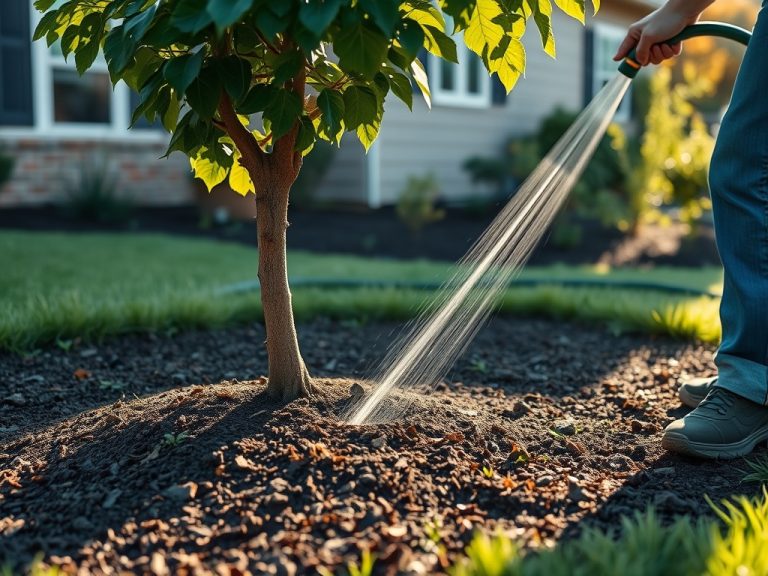
New plantings are an exception to the “low water” label. Even drought-adapted trees and shrubs usually need supplemental water while roots establish. Reduce irrigation gradually as plants become established rather than cutting it off immediately.
Reduce Turf Strategically Instead of Eliminating It Automatically
Turf can be useful for play, pets, gathering, erosion control, or a cooling open surface. The water-smart approach is to keep it where it has a function and avoid irrigating narrow strips, steep slopes, or decorative patches that are difficult to water efficiently. Choose a turf species suited to the local climate and manage mowing height and irrigation appropriately.
Replace nonfunctional turf with planted beds, permeable paths, mulched areas, or other site-appropriate surfaces. Do not assume a broad field of dark rock is automatically water-wise. Rock can store and radiate heat, while an appropriate plant canopy and organic mulch may moderate soil temperatures in planted areas.
Storm Season Prep for Yards, Roofs, and Gutters is also useful where tree condition, drainage, and loose landscape materials become seasonal wind or runoff hazards.
Use Mulch and Soil Care to Keep Water Where Roots Can Reach It
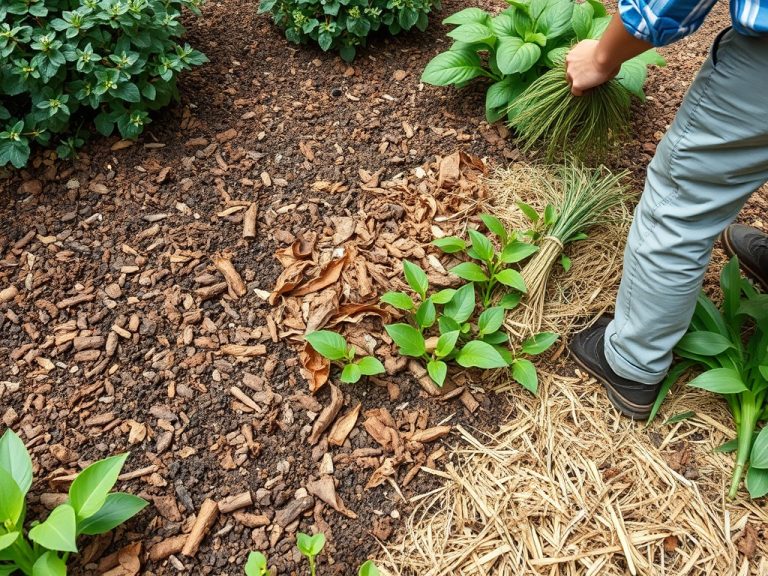
Organic mulch can reduce soil evaporation, suppress weeds, moderate temperature, and add organic matter as it decomposes. EPA WaterSense recommends mulch in planted areas but cautions against excessive depth and against piling it at the base of woody plants. The exact mulch material should match the plants, fire context, maintenance goals, and local availability.
Compacted soil can cause runoff before water infiltrates. Where appropriate, aeration or soil improvement can help, but avoid indiscriminate tilling around established roots. In new beds, improve the planting area based on soil-test and plant needs rather than creating a small “pot” of amended soil that behaves very differently from the surrounding ground.
Keep weeds under control because they compete for moisture. Replenish mulch as it decomposes, but measure the existing layer first so repeated top-dressing does not create an overly deep blanket.
Make Irrigation Slow, Targeted, and Responsive
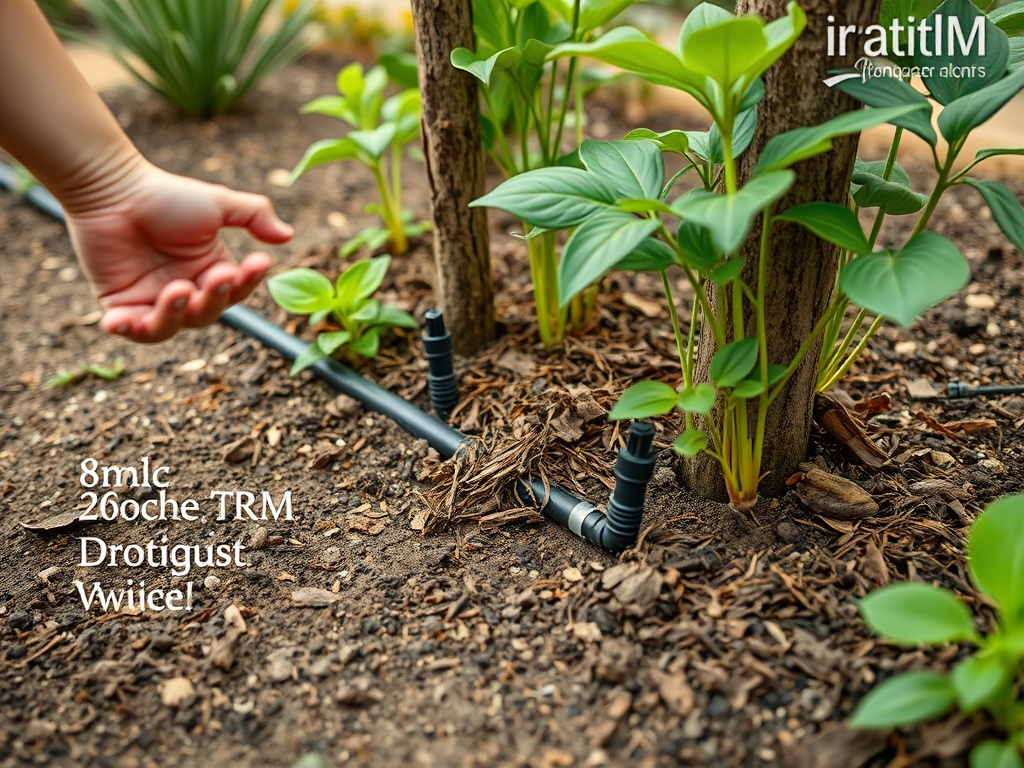
Drip or micro-irrigation can place water near plant root zones with less overspray than poorly adjusted sprinklers. It still needs maintenance: emitters clog, lines move, filters need attention, and plant root zones expand over time. Check the system while it is running rather than assuming water is reaching every plant.
Watering schedules should change with season, plant establishment, soil type, and weather. Smart controllers can help where appropriate, but no controller can correct a broken head or a zone that mixes plants with incompatible needs. Inspect for leaks and runoff and use local restrictions as a baseline requirement, not an optional suggestion.
Check emitters and drip lines at the start of the hottest season instead of assuming the system is delivering water evenly. Mineral buildup, animal damage, shifted tubing, or a clogged filter can leave one hydrozone dry while another receives too much. A quick catch-can or soil-moisture check can reveal those differences. Repairing distribution problems often saves more water than simply shortening every irrigation cycle by the same amount.
Avoid the Most Common “Xeriscape” Shortcuts
The first shortcut is choosing plants from a generic drought-tolerant list without checking local suitability. The second is covering the yard with impermeable fabric and rock, then expecting soil biology, heat, and drainage to remain unchanged. The third is installing low-water plants but keeping the old high-frequency sprinkler schedule.
Another mistake is under-watering new plants because the label says drought tolerant. Establishment still requires deliberate moisture management. Finally, avoid assuming a dry-climate landscape is maintenance-free. Pruning, weed control, irrigation checks, mulch management, and replacement of failed plants remain part of the system.
Build a Landscape That Gets More Efficient as It Matures
A drought-tolerant yard should become easier to manage as plants establish and irrigation becomes more targeted. Start with the site, choose regionally appropriate plants, separate water-use zones, maintain the soil surface, and reserve turf for places where it earns its water.
Before making large changes, check local plant lists, watering rules, fire-safety guidance, and utility rebate programs. A design that respects local climate and regulations is more durable than one built around a generic desert aesthetic.
Practical next step: Map your property into sun and water zones before buying plants, then build one small drought-tolerant bed as a test of species choice, mulch, and irrigation strategy.
Informational and educational only. Plant suitability, water restrictions, wildfire practices, irrigation rules, and landscape codes vary by region; use local extension, utility, and municipal guidance.[/