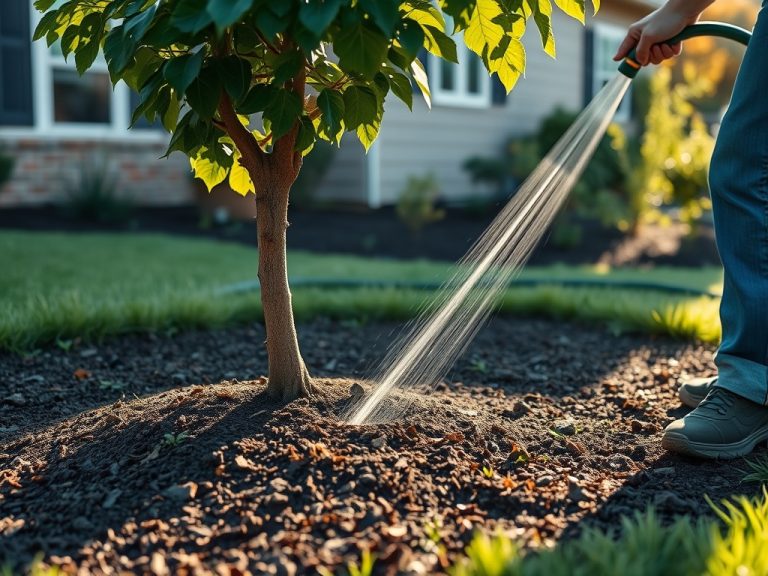
Storm-season home prep works best when you reduce loose debris, restore drainage, and identify roof or tree problems before severe weather is in the forecast. A calm inspection several weeks ahead gives you time to handle repairs safely instead of rushing when wind and heavy rain are already approaching.
TL;DR
• Clear gutters, downspouts, roof edges, and yard debris before storm season becomes active.
• Inspect the roof and nearby trees from safe locations, and bring in or secure loose outdoor objects before high-wind events.
• Treat structural roof work, large-tree pruning, electrical hazards, and storm damage as jobs for qualified professionals.
Start With the Water Path Around the House
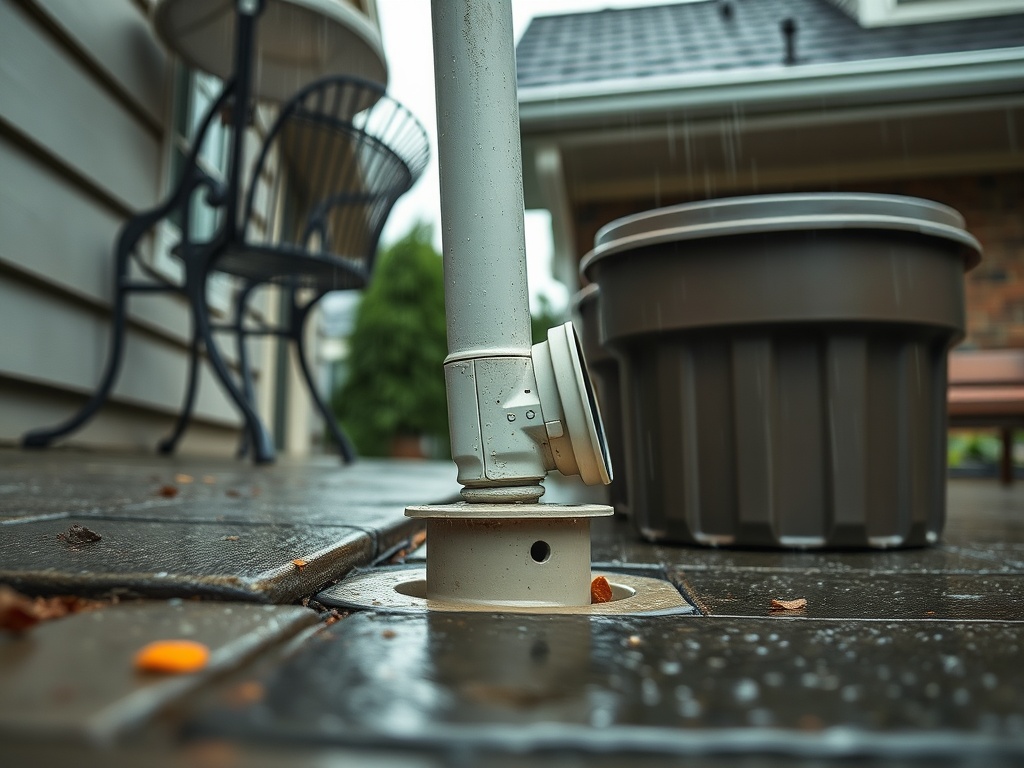
Heavy rain exposes drainage weaknesses quickly. Begin by walking the property during dry weather and tracing where roof runoff should go. Gutters should be firmly attached, downspouts should be open, and discharge should move away from the foundation rather than pooling beside it. Leaves, seed pods, roof grit, and windblown litter can slow drainage, so clear accessible sections with stable footing and appropriate gloves.
This is not only a hurricane-season task. The current Insurance Institute for Business & Home Safety guidance on severe-weather preparation recommends clearing gutters and downspouts so water can move freely, while Ready.gov also advises removing debris from gutters and drains. Those are general preparedness practices; the exact drainage details for a house still depend on roof design, grading, rainfall intensity, and local building requirements.
Look at ground-level drainage too. Clean leaves from surface drains, remove debris that blocks swales, and confirm that mulch or edging has not created a dam beside the foundation. If water regularly stands near the house, correcting grading or drainage may require a landscape or drainage professional rather than another round of gutter cleaning.
Inspect the Roof Without Turning Prep Into a Fall Risk
A roof inspection matters, but storm preparation should not create an injury. From the ground, binoculars or a zoom camera can help you look for missing or lifted shingles, cracked tiles, damaged flashing, sagging gutter sections, and debris collected in valleys. From inside the attic, if it is safely accessible, stains or daylight through unexpected openings can point to areas that deserve professional attention.
Roof repairs are time-sensitive because contractors may become harder to schedule as storm activity increases. If you see loose covering, damaged flashing, soft decking, or a gutter pulling away from the fascia, arrange an evaluation before the forecast turns urgent.
Do not climb onto a wet, steep, fragile, or storm-damaged roof. High winds can arrive ahead of the main storm, and wet roofing becomes slippery. Structural work, major roof repairs, and damaged electrical service components should be left to qualified professionals.
For exterior visibility around the same approaches you are inspecting, Home Security Camera Placement Mistakes to Avoid covers sightlines, glare, and blind spots as a separate security task.
Reduce Windborne Hazards in the Yard
Outdoor furniture, planters, toys, grills, tools, umbrellas, lightweight decor, and loose branches can become hazards in strong wind. Decide in advance where those items will go. A garage, shed, or interior storage area is preferable to improvised last-minute tying when conditions are deteriorating. If an object cannot be moved, follow its manufacturer guidance for anchoring and do not assume a heavy-looking item is automatically wind-safe.
Trees deserve the same advance planning. Remove small dead branches you can reach safely from the ground and have a qualified arborist evaluate large dead, cracked, hanging, or roof-overhanging limbs. IBHS guidance specifically highlights tree trimming and yard cleanup as useful ways to reduce wind and impact hazards. Avoid major pruning immediately before a storm unless a professional determines that an urgent defect needs attention.
Garden structures should also be checked. Close and latch gates, secure lightweight trellises, put away portable shade canopies, and confirm that shed doors close properly.
Use a Two-Stage Checklist: Early Season and Final 48 Hours
An early-season list should contain tasks that need lead time: roof evaluation, tree work, gutter repair, drainage corrections, exterior caulking where appropriate, and a review of insurance records and emergency supplies. Complete these while weather is calm. Photograph important exterior conditions after routine maintenance so you have a simple reference point if damage occurs later.
The final 48 hours, when local authorities indicate that severe weather is possible, should be reserved for reversible actions: bring in loose objects, close and secure openings, clear the last round of yard debris, charge essential devices, and follow official alerts. Do not begin ladder work, large pruning, or construction projects as winds increase. Ready.gov emphasizes following local officials and evacuation directions, which should always take priority over property tasks.
If your household also grows food outdoors, move small containers to shelter and harvest mature produce that would otherwise be damaged.
If severe weather also interrupts outdoor food growing, How to Grow Salad Greens Year-Round outlines a compact indoor option for maintaining leafy crops when outdoor conditions are temporarily unsuitable.
Keep a short property record with dated photos of the roofline, gutters, major trees, fences, and drainage paths before storm season. The record can help you notice changes that are easy to miss from memory, such as a newly leaning branch, a loose panel, or erosion near a downspout. It also makes the final pre-storm check faster because you are comparing current conditions with a known baseline rather than starting from scratch each time.
Common Storm-Prep Mistakes That Create New Problems
One mistake is treating the gutter as the whole drainage system. A clean gutter still cannot protect the foundation if downspouts discharge into a blocked drain or onto soil that slopes toward the house. Another is waiting until a warning is issued to discover that the garage is too full to hold patio furniture or that the ladder cannot safely reach a needed area.
Another problem is over-pruning. Removing too much live canopy can stress a tree, and incorrect cuts can create defects rather than solve them. A qualified arborist can distinguish ordinary seasonal pruning from work needed to address hazardous limbs. Similarly, patching roof damage without understanding the roofing system may hide a leak rather than correct it.
Finally, do not rely on one storm-prep routine for every region. Wind, hail, wildfire, flooding, tropical storms, and winter storms create different priorities. Check local emergency management information, building guidance, utility instructions, and weather alerts for hazards that apply to your area.
A Safer Property Starts Before the Forecast Turns Urgent
The strongest storm-season routine is ordinary maintenance completed early: free-flowing drainage, a sound roof, managed trees, and a yard that can be secured quickly. That approach reduces last-minute exposure and helps you focus on people, pets, alerts, and evacuation instructions when severe weather is actually approaching.
Use a simple seasonal inspection calendar and update it after major weather events. If you find structural damage, large hazardous limbs, electrical concerns, or drainage failures, arrange qualified help before the next storm window rather than relying on temporary fixes.
Practical next step: Before your local storm season intensifies, build one property checklist and schedule any roof, tree, drainage, or electrical work that cannot be handled safely as a routine DIY task.
Informational and educational only. Storm, roofing, tree, drainage, electrical, and structural conditions vary by property and jurisdiction; consult qualified professionals and local authorities when needed.[/