A better tryout evaluates skill, decision-making, effort, coachability, communication, and role fit. Raw talent matters, but it should not be the only signal when a coach is building a team.
TL;DR: The article gives practical steps, common mistakes, and safe ways to apply the topic without overcomplicating it.
The problem with talent-only tryouts
Tryouts can become unfair when every drill rewards the biggest, fastest, or most polished athlete in the room. Those traits matter, but they do not always reveal who learns quickly, supports teammates, handles feedback, or fits a role the team actually needs.
Coaches can borrow a useful idea from recruiting language: an evaluation is not just noticing one highlight. The NCAA describes evaluation as observing an athlete practicing or competing, which points to a broader view of performance than one isolated play. Youth coaches should apply that same spirit at the local level, even when the tryout is informal.
A well-run tryout gives athletes more than one way to show value. It also gives coaches better evidence before making difficult roster decisions.
Build the scorecard before the session
Start with the team’s needs. Do you need defenders, ball handlers, finishers, setters, utility players, reliable substitutes, vocal leaders, or athletes who can learn a new position? Write the needs down before athletes arrive so the tryout does not drift toward whatever looks exciting in the moment.
A simple scorecard can include technical skill, tactical awareness, effort, communication, response to coaching, competitive composure, and role fit. Use a 1-to-5 scale with short notes. Avoid vague comments like good attitude. Write observable behaviors: asks clear questions, recovers after mistakes, scans before receiving, supports weaker partner, or applies correction on second rep.
This structure supports a healthier team culture. Organizations such as Positive Coaching Alliance emphasize positive youth sport experiences, and tryouts are often the first place athletes learn what a program values.
Use stations that reveal different strengths
| Station type | What it reveals | Coach note |
|---|---|---|
| Technical | Baseline skill control | Use repeatable reps |
| Decision-based | Awareness and choices | Use small-sided play |
| Competitive | Pressure response | Watch effort and composure |
A balanced tryout usually needs three types of stations. The first is a technical station where players repeat core skills. The second is a decision station where they must read space, teammates, or opponents. The third is a competitive station where fatigue and pressure enter the picture.
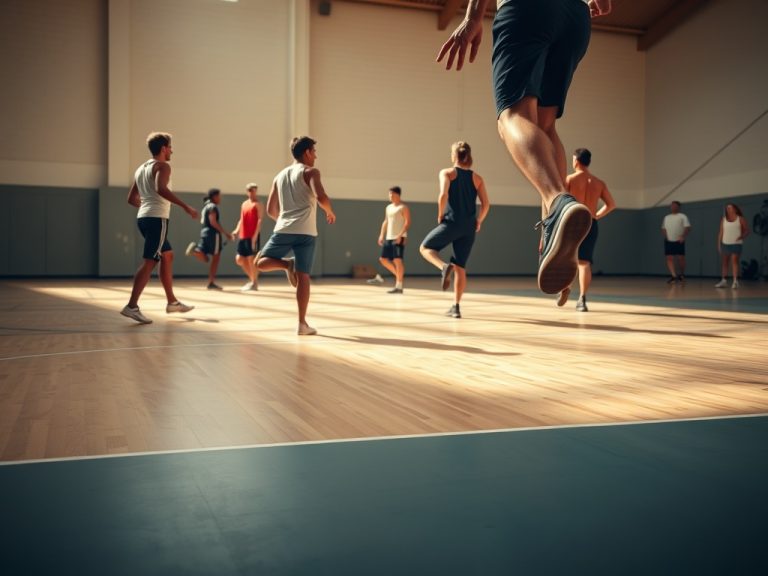
For example, a basketball tryout could include shooting form, closeout decisions, small-sided transition play, and a short communication drill. A soccer tryout could include first touch, passing under pressure, small-sided games, and defensive recovery. A volleyball tryout could include serve receive, setting choices, controlled scrimmage, and coachability after feedback.
Small-sided formats are especially useful because they create repeated touches and visible decisions. Full scrimmages can hide quiet players or reward athletes who dominate the ball without showing team awareness.
Watch what happens between reps
Many coaches learn the most between drills. Does the athlete listen while others receive instructions? Do they jog back into line or drift? Do they encourage partners? Do they blame, sulk, or reset? These behaviors do not replace skill, but they help predict how the athlete may function across a long season.
The same idea connects to teen development. A player in a growth phase may look temporarily awkward, which is why coaches should understand growth spurts and coordination changes in teen athletes before treating one clumsy day as a final judgment.
Tryout notes should separate current performance from future potential. A raw athlete who listens well and improves during the session may deserve a different look than a polished athlete who refuses feedback.
Communication that keeps the process credible
Explain the tryout format at the start. Tell athletes what will be evaluated and how decisions will be shared. Do not promise that everyone has the same chance if roster limits, positional needs, or age rules already shape the outcome.
Use neutral language during cuts. A coach can say, the current roster needs a different balance, or the player should work on first touch, conditioning, and defensive positioning before the next evaluation. That is more useful than a vague rejection.
If the program allows feedback, keep it short, specific, and action-based. Athletes and parents are more likely to accept difficult outcomes when they understand the criteria and see that the process was organized.
A sample tryout flow coaches can adapt
Begin with a dynamic warm-up and basic movement screen. Move into technical stations for 20 minutes. Use decision-based small-sided games for 25 minutes. Add a competitive segment for 20 minutes. End with a short cool-down and note review while impressions are fresh.
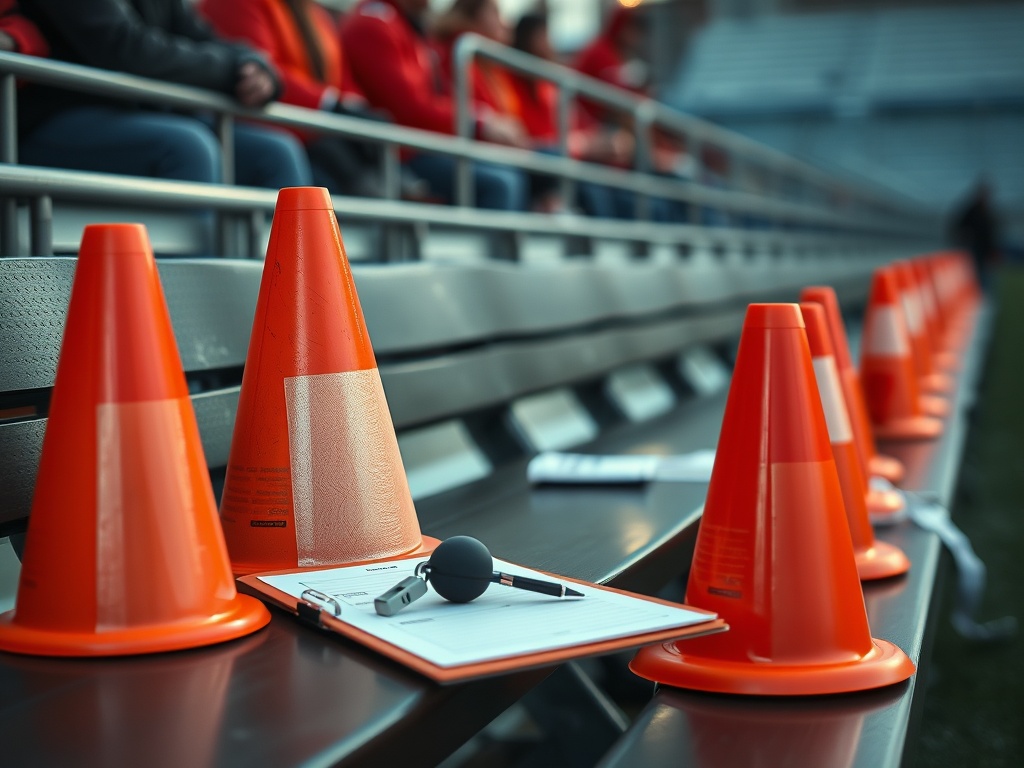
Assign at least two evaluators when possible. One can watch the ball, while another watches off-ball behavior, communication, and transitions. If only one coach is available, record short notes between stations rather than relying on memory.
Injury prevention still belongs in the process. Long, chaotic tryouts can raise risk when players are tired and trying to impress. The guide on ankle sprain prevention for court and field sports is a useful companion when planning warm-ups, surfaces, and recovery breaks.
The best tryouts do not ignore talent. They put talent in context. When skill, decision-making, effort, communication, and coachability are all visible, coaches make fairer decisions and build stronger teams.