Year-round salad greens are easiest when you treat growing as a sequence of small, repeatable crops rather than one long planting. Use outdoor beds or containers during suitable weather, then shift to a bright indoor shelf or protected structure when heat, cold, or short days make outdoor production unreliable.
TL;DR
• Grow fast, leafy crops in small successions so one planting is ready as another is being harvested.
• Use cooler conditions, steady moisture, and adequate light to reduce stress and poor-quality growth.
• Indoors, prioritize clean containers, drainage, airflow, and a consistent grow-light schedule.
Choose Greens That Match the System
Loose-leaf lettuce is one of the easiest salad crops because you can harvest outer leaves or cut young plants without waiting for a dense head. Arugula, mustard greens, baby kale, mizuna, and some Asian greens can broaden the mix, although each crop responds differently to heat, light, and harvest timing. Start with two or three dependable crops rather than planting a large assortment at once.
University of Minnesota Extension describes loose-leaf lettuce as among the easiest lettuce types to grow and emphasizes frequent harvest, moisture, and cool-season timing. That makes it a useful anchor crop for a year-round plan. Keep records of which cultivars perform best under your actual indoor and outdoor conditions instead of assuming one variety will excel in every season.
Best Indoor Trees for Small Homes covers a different kind of indoor planting challenge, with greater emphasis on mature height, floor space, and long-term container care.
Build a Succession Calendar Instead of One Big Sowing
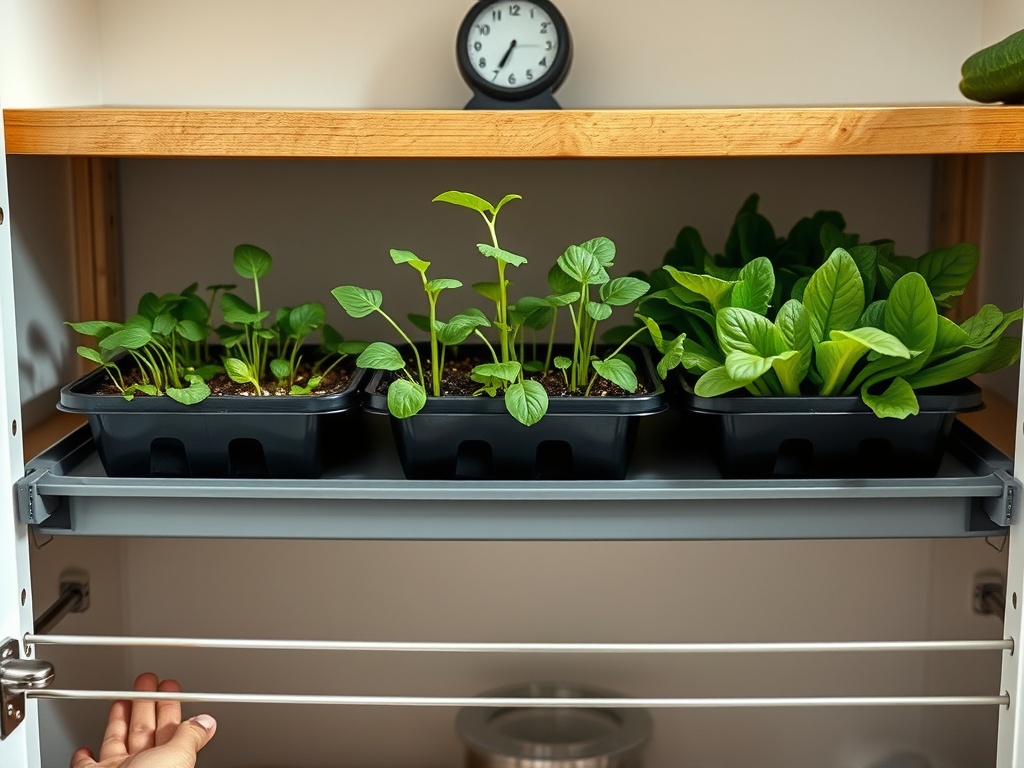
Sow a modest amount every one to three weeks, adjusting the interval to how quickly your household eats greens and how rapidly the crop grows. The goal is overlap: one tray germinating, one filling out, and one being harvested. This reduces the feast-or-famine pattern that comes from sowing an entire seed packet at once.
In spring and fall, outdoor containers or beds may provide the best conditions. In hot periods, use shade during the hottest part of the day where appropriate and choose heat-tolerant varieties. In winter or during extreme heat, move production indoors under lights. Climate and local season length vary widely, so use your local extension calendar rather than a universal planting date.
Label sowing dates and varieties. A simple note on the tray or a garden notebook quickly shows whether your interval is too long or too short.
Set Up an Indoor Shelf for the Months Outdoor Conditions Fail
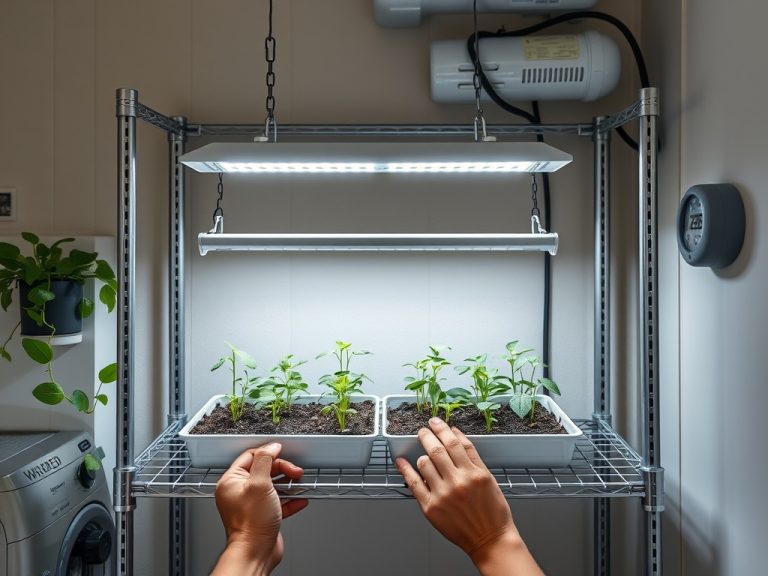
Use clean containers with drainage, a waterproof catch tray, fresh soilless mix or another suitable growing medium, and a light that covers the entire crop area. University of Minnesota Extension lists leafy greens among crops suitable for small-scale indoor hydroponics and recommends balanced red and blue light or white full-spectrum lighting for broad plant growth.
For soil-based trays, keep the medium evenly moist but not saturated. Bottom watering can reduce splashing on leaves, but do not let containers stand in stagnant water. Gentle airflow helps leaves dry and reduces stagnant humidity. A small fan can be useful if it is positioned to move air softly rather than blasting seedlings.
Mature salad greens often need a wider evenly lit area than a few seedling cells, so size the fixture to the full tray.
Manage Light and Temperature Together
Leafy greens prefer conditions that support steady leaf growth without excessive heat. A powerful light placed too close can raise leaf temperature even when the room feels comfortable, while a weak light encourages stretching. Follow the fixture guidance, observe the canopy, and adjust height or intensity as needed.
University extension lighting guidance indicates that hydroponic lettuce and herbs can be grown under supplemental light schedules shorter than those commonly used for seedlings. Exact duration depends on light intensity and system design, so treat any hour recommendation as a starting point rather than a guarantee. A timer makes the schedule repeatable and preserves a daily dark period.
Indoors, place the shelf away from heating vents, cold drafts, and direct afternoon sun that can suddenly raise tray temperature. A stable environment is often more useful than chasing maximum brightness.
Harvest for Regrowth or Reset the Tray
For loose-leaf lettuce and many baby greens, you can harvest outer leaves while leaving the center growing point intact. Another method is to cut young leaves above the crown and allow regrowth where the crop responds well. Quality often declines after repeated cuts, so keep a new tray coming instead of forcing an old planting indefinitely.
Harvest with clean scissors or a knife and remove yellow or damaged leaves. Wash produce using food-safety practices appropriate for fresh vegetables. If you grow hydroponically, maintain the system according to its nutrient and sanitation requirements and do not improvise fertilizer concentrations.
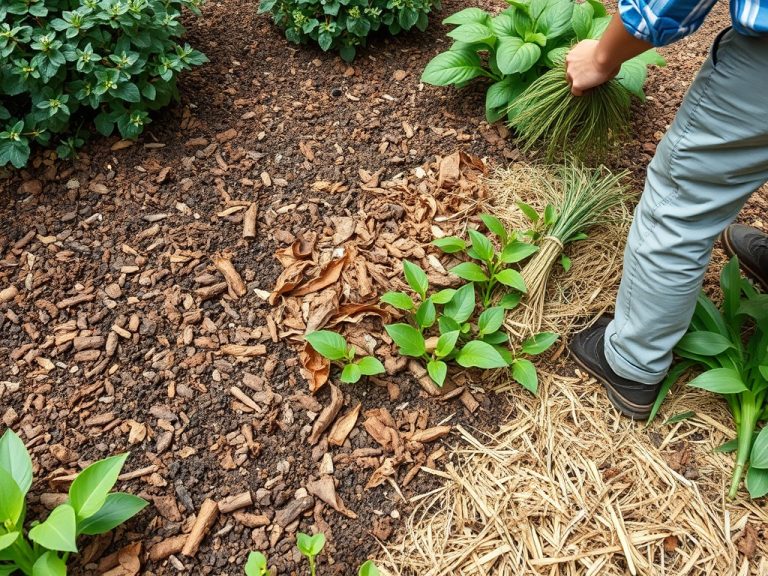
Compost healthy spent roots and plant material when appropriate, or add them to another organic-waste stream accepted locally.
The Best Mulches for Feeding the Soil Over Time explains how clean organic materials can support outdoor soil-building after appropriate garden residues leave the indoor growing setup.
Troubleshoot the Most Common Year-Round Problems
Leggy growth usually points to insufficient light or excessive distance from the fixture. Bitter or rapidly bolting lettuce often reflects heat or plant maturity, although variety matters. Pale growth can come from nutrition, root, pH, or light problems depending on the system. Slime, algae, or fungus issues often signal excessive moisture, contaminated equipment, poor airflow, or light reaching wet nutrient surfaces.
When seedlings collapse at the soil line, damping-off pathogens are a possibility. Use clean containers and fresh medium, avoid waterlogging, and provide appropriate warmth and light. Do not keep reusing a contaminated mix simply because it still looks clean.
Outdoor crops have a different pest set. Inspect the undersides of leaves, use row covers or other appropriate physical barriers where recommended, and identify a pest before choosing a control. Pesticide rules and label directions are specific, so avoid applying a product merely because it is marketed for gardens.
Clean Between Successive Crops
A repeatable harvest system also needs a repeatable cleanup step. After a tray is finished, remove old roots and plant debris, wash reusable containers, and sanitize equipment when the growing method or a disease problem calls for it. Do not carry a damp, algae-coated tray directly into the next sowing and assume fresh seed will solve the issue. Store dry tools and containers where they stay clean, and replace damaged trays that no longer drain or can no longer be cleaned effectively. Consistent sanitation is especially useful when crops overlap in the same small indoor area.
Keep the System Small Enough to Repeat All Year
Year-round greens succeed when the routine is easy to restart. Keep seed, clean containers, a dependable growing medium, a timer, and a small harvest tool in one place. Sow modest amounts often and shift between outdoor and indoor production as the season changes.
After two or three cycles, adjust your sowing interval to match actual consumption. A system that reliably produces a salad bowl every week or two is more useful than a large setup that becomes difficult to water, light, and clean.
Practical next step: Start one small tray this week and schedule the next sowing before the first harvest; a repeatable succession rhythm is the core of a year-round greens system.
Informational and educational only. Food-growing conditions, pesticide rules, water quality, hydroponic nutrient practices, and local planting calendars vary; consult local extension and product-label guidance.[/