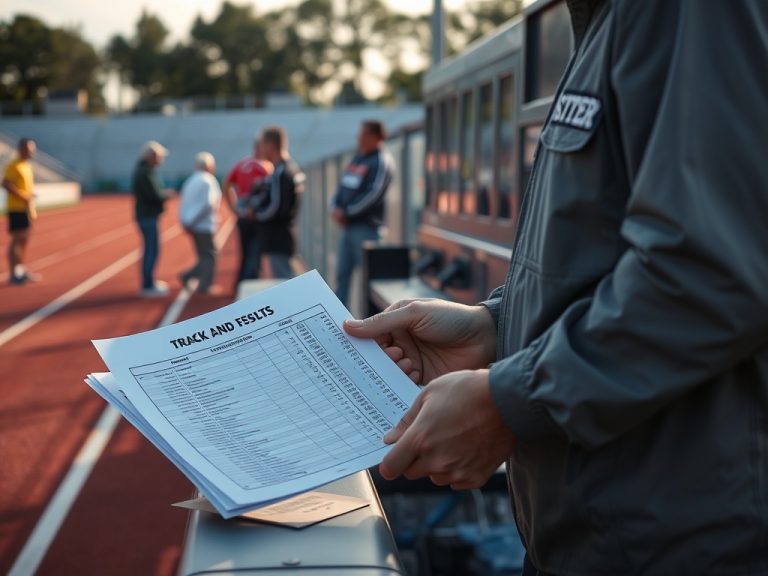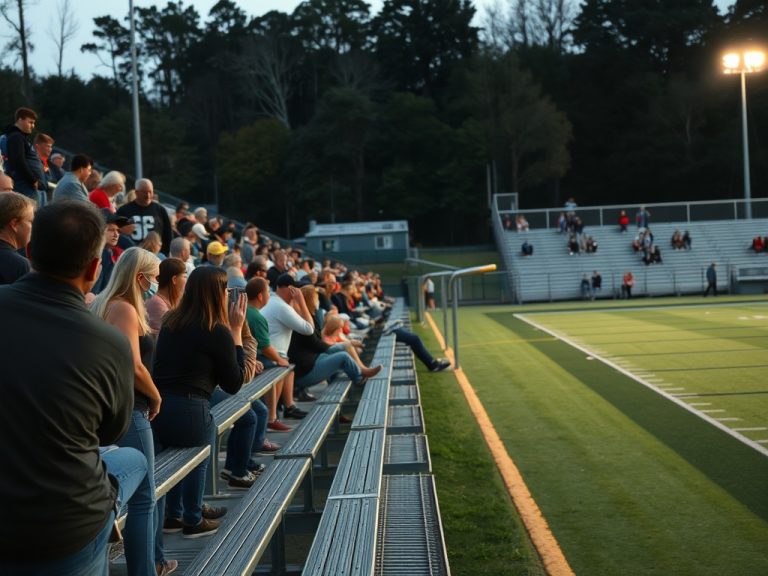
Fantasy sports, pick’em games, and interactive broadcasts are turning fans from passive viewers into active participants. The opportunity is engagement, but the trade-offs include distraction, regulation, data quality, and responsible play.
TL;DR: The article gives practical steps, common mistakes, and safe ways to apply the topic without overcomplicating it.
Fan engagement is becoming more interactive
Sports viewing used to center on the live broadcast, the scoreboard, and post-game discussion. Now many fans build fantasy lineups, make pick’em selections, vote in polls, track live stats, join watch parties, and react through second-screen communities while the event unfolds.
Fantasy sports are a major part of that shift. Market researchers continue to track growth in fantasy sports platforms, but the practical change is easier to see: fans are engaging with individual players, weekly decisions, and live statistical outcomes more deeply than before.
This does not mean every fan wants a game attached to every broadcast. It means the media experience is becoming more layered.
How the formats differ
Fantasy sports usually ask users to build rosters whose results depend on real-player statistics. Pick’em games are simpler: choose outcomes, props, or predictions within a defined contest. Interactive broadcasts add polls, alternate commentary, live graphics, chats, or viewer-driven features around the event.
The formats overlap, but they create different levels of commitment. A season-long fantasy league asks for research and management. A weekly pick’em game asks for quick decisions. An interactive broadcast may ask for only light participation.
For athletes and creators, these formats create media opportunities. The article on building a personal brand as an athlete explains why athletes need a clear public identity as fan engagement becomes more player-centered.
Why fans like interactive layers
Interactive formats give fans a reason to follow more teams, more players, and more moments inside a game. A neutral viewer may care about a late rebound, save, assist, or strikeout because it affects a fantasy matchup. That can increase attention during less dramatic parts of a broadcast.
Second-screen features also support community. Friends can compete, compare picks, or debate decisions. Broadcasters and platforms can use polls and alternate feeds to serve fans who want different levels of explanation.
For local and school sports, the same idea appears in simpler form. Score updates, respectful highlights, and fan guides can support attendance, as discussed in how to support local teams and amateur events.

The risks are real too
More interaction can also create distraction. Fans may focus on individual stats over team context, or watch through the lens of a pick rather than the full story of the match. In some settings, gambling-adjacent features can blur lines for younger audiences or casual fans.
Data quality is another issue. Live stats must be accurate, timely, and clearly explained. A delayed correction can change fantasy outcomes or fan perception. Platforms need transparent rules for scoring, tie-breakers, substitutions, postponements, and stat corrections.
Privacy and athlete well-being matter as well. When fans attach personal outcomes to a player’s performance, online criticism can become sharper. Responsible communities need boundaries.
What broadcasters and creators should consider
The best interactive broadcasts do not bury the sport under widgets. They use interaction to clarify the event, not replace it. Beginner-friendly explainers, optional stat overlays, and well-timed polls can help fans learn without overwhelming them.
Creators should avoid presenting predictions as facts. A pick is an opinion, not an outcome. A fantasy projection is an estimate, not a guarantee. Clear language protects credibility.
Gaming creators can learn from the same principle. The article on streaming microphones and cameras for new gaming creators focuses on making the viewer experience clearer rather than more cluttered.
Where engagement is likely heading
The future is likely to be more personalized. Fans may choose beginner commentary, advanced analytics, fantasy-focused feeds, local audio, creator co-streams, or live data views. Some will want all of it; others will want the clean broadcast.
The healthiest direction is choice. Interactive tools should let fans participate without forcing every viewer into a contest. Fantasy sports and pick’em games can deepen interest when they are transparent, responsible, and secondary to the sport itself.
For fans, the best approach is to use interactive formats to learn more, enjoy more, and stay connected without letting the side game become the whole game.